Why Moderation Never Works for Addicts!
🔥 Moderation? That’s a Damn Myth. Let’s Set the Record Straight.
You ever tell yourself, “I’ll just have one”? Yeah, that’s the same logic as asking a shark to just nibble on a surfer. Spoiler alert: it never works.
In this 🔥 Sober Psychology Short, we’re tearing into the delusion of moderation. Because if you’re an addict or alcoholic, there’s no such thing as a “casual drink.” You’re not sipping wine like a French philosopher—you’re pounding shots like it’s 2008 and Lil Jon’s on the aux.
This isn’t about willpower. It’s brain chemistry. It’s that peculiar mental twist The Big Book talks about—and neuroscience agrees. Whether it's beer, wine, or jungle juice from a trash can (we've all been there), you’re not moderating—you’re negotiating with a liar.
And science? It doesn’t fight the AA model—it reinforces it. The more we learn about addiction, the more we realize The Big Book had it right decades ago: moderation is a setup, not a solution.
I’ve tried every mental gymnastics routine in the book—"No liquor, just beer," "Only on weekends," "Just one glass." Every time? Faceplant into the same chaos.
So let’s stop the charade. If you’re wired like me, moderation is just a slower form of relapse. Call it what it is.
This video is for general educational purposes and is not a substitute for professional medical or mental health advice, diagnosis, or treatment. If you are in crisis or having thoughts of harming yourself, call or text 988 (Suicide & Crisis Lifeline) or go to your nearest emergency room.
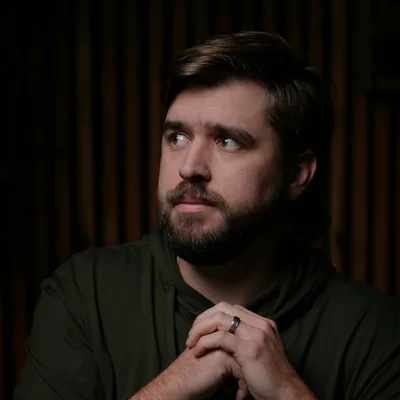
About Michael
I'm Michael, a mental health creator, recovered alcoholic, future therapist, and the host of Sober Psychology. After realizing how much of the traditional mental health conversation misses the mark, I decided to build a space dedicated to raw, unfiltered self-examination and personal healing. My approach combines psychological principles with brutal honesty and hard truths, cutting through the noise to help people navigate their own growth. No toxic positivity, no hidden shame—just real conversations about what it actually takes to heal.