How Addiction Tricks Your Brain Into Craving More!
🔥 Your Brain's Not Just Tempted—It's Hijacked.
That “just one drink” voice in your head? Yeah, it’s not you. It’s your addicted brain hijacking your reward system and screaming like a toddler denied a second cookie. A 2016 meta-analysis in Neuroscience and Biobehavioral Reviews found that addiction cues (like that neon Bud Light sign or a clinking glass) spike your dopamine like a Vegas jackpot. And once that hit comes? Logic taps out.
The Big Book called this decades ago: Page XXIV — “The phenomenon of craving.” That’s not a mild want. That’s a full-blown tantrum.
And let’s talk denial. Page 30 — “The idea that somehow, someday he will control and enjoy his drinking is the great obsession of every abnormal drinker.” If that hit a nerve, good. It should.
You’re not sipping casually—you’re rolling dice with your life, over and over. A 2020 study in Addiction confirmed that overconfidence in your ability to moderate is one of the biggest predictors of relapse.
So if you're still telling yourself “I got this” while blacking out once a week… Buddy, you don’t got this.
Get real. Get help. Get sober. Or keep pretending moderation works—until it doesn’t.
This video is for general educational purposes and is not a substitute for professional medical or mental health advice, diagnosis, or treatment. If you are in crisis or having thoughts of harming yourself, call or text 988 (Suicide & Crisis Lifeline) or go to your nearest emergency room.
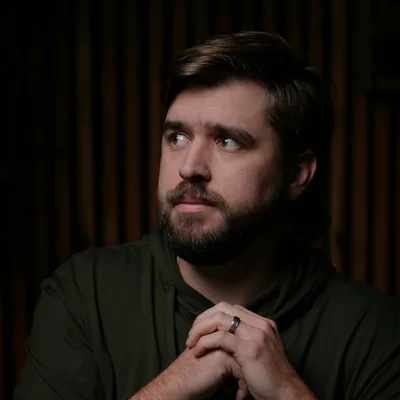
About Michael
I'm Michael, a mental health creator, recovered alcoholic, future therapist, and the host of Sober Psychology. After realizing how much of the traditional mental health conversation misses the mark, I decided to build a space dedicated to raw, unfiltered self-examination and personal healing. My approach combines psychological principles with brutal honesty and hard truths, cutting through the noise to help people navigate their own growth. No toxic positivity, no hidden shame—just real conversations about what it actually takes to heal.