Why we destroy good opportunities
🔥 Why You’d Rather Be the Underdog Than a Winner Who Fails 🔥
You ever pick a fight just to see if they’ll leave? Or pour a drink to test whether the good times can survive a little chaos? Yeah. Been there.
I used to do it constantly: ☠️ Things got stable? I’d light a match. ☠️ I’d sabotage the relationship, the job, the moment. ☠️ Why? Because I was tired of being hurt — so I’d strike first.
👉 “I don’t deserve anything good.” 👉 “If I ruin it first, I can’t be disappointed.”
That, my friends, is what self-sabotage looks like. And here’s the kicker: There’s a 2017 study in The Journal of Personality that found that people with low self-efficacy — meaning you don’t believe in your ability to succeed — will actively destroy good opportunities just to avoid the pressure of keeping that success.
💡 In short: You’d rather stay the underdog… than risk being a winner who fails. Let that sit.
This fear-of-success cycle is deep, raw, and damn common. But here’s the good news: once you name it, you can fight it.
You are not broken. You’re wired for survival. But now? It’s time to rewrite the script.
This video is for general educational purposes and is not a substitute for professional medical or mental health advice, diagnosis, or treatment. If you are in crisis or having thoughts of harming yourself, call or text 988 (Suicide & Crisis Lifeline) or go to your nearest emergency room.
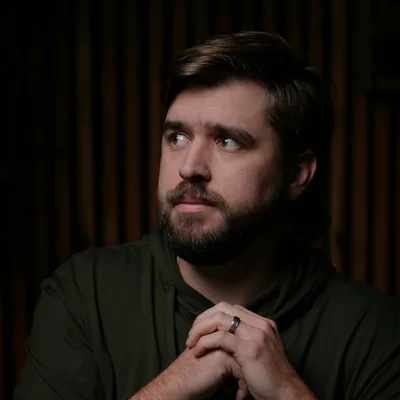
About Michael
I'm Michael, a mental health creator, recovered alcoholic, future therapist, and the host of Sober Psychology. After realizing how much of the traditional mental health conversation misses the mark, I decided to build a space dedicated to raw, unfiltered self-examination and personal healing. My approach combines psychological principles with brutal honesty and hard truths, cutting through the noise to help people navigate their own growth. No toxic positivity, no hidden shame—just real conversations about what it actually takes to heal.