Why You’re Doing Better Than You Think!
🔥 Your brain says you're a fraud. I'm here to say you're a freaking legend. 🔥
Imposter syndrome isn’t cute. It’s not quirky. It’s your brain in full-blown drama queen mode — whispering lies like, “You’re not good enough,” “You don’t belong here,” and “Everyone’s about to figure you out.” Sound familiar? Yeah, me too.
Welcome to Sober Psychology, the no-fluff mental health podcast where we unpack the chaos between your ears and hand you real tools to fight back. I’m Michael — sober dad, recovering perfectionist, and psychologist in training — and in this episode, we’re calling out imposter syndrome for what it is: psychological sabotage.
💥 Here’s what we dive into:
Why imposter syndrome thrives in silence (and how to kill it with truth)
How to challenge those “I’m a fraud” thoughts with actual facts
What CBT and the Big Book both say about self-doubt
And why progress, not perfection is the name of the game
Whether you're crushing it in recovery, barely holding it together, or somewhere in between — you're doing better than you think.
🎯 Your homework: Write down one thing you did well this week — doesn’t matter how small — and say it out loud. Then keep going. Because you’re not behind. You’re building.
This video is for general educational purposes and is not a substitute for professional medical or mental health advice, diagnosis, or treatment. If you are in crisis or having thoughts of harming yourself, call or text 988 (Suicide & Crisis Lifeline) or go to your nearest emergency room.
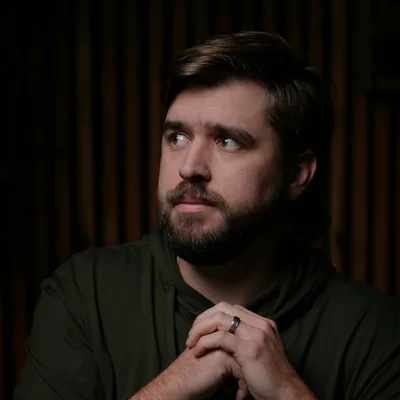
About Michael
I'm Michael, a mental health creator, recovered alcoholic, future therapist, and the host of Sober Psychology. After realizing how much of the traditional mental health conversation misses the mark, I decided to build a space dedicated to raw, unfiltered self-examination and personal healing. My approach combines psychological principles with brutal honesty and hard truths, cutting through the noise to help people navigate their own growth. No toxic positivity, no hidden shame—just real conversations about what it actually takes to heal.