Why Do I Feel Like a Fake Sometimes?
🔥 “Coddling your insecurities is like giving a participation trophy to a dumpster fire.” 🔥
Welcome back to Sober Psychology — where we don’t just unpack your brain, we dropkick the mental lies it’s been feeding you since childhood. I'm Michael: sober dad, psychologist in training, and someone who's fought imposter syndrome harder than a raccoon in a trash can. 🧠🗑️
Today, we're diving into that voice in your head whispering, “You're a fraud and everyone's about to find out.” Yeah — that voice. It’s a manipulative little punk, and it’s DEAD WRONG. Whether you're early in sobriety, crushing your career, or just trying to survive another Monday without losing it, imposter syndrome will always try to steal your thunder.
But guess what? We’ve got the science, the psychology, and the Big Book wisdom to fight back.
💡 Here's what we cover:
The origins of imposter syndrome (spoiler: you're not alone, 70% of us feel this)
Why your brain gaslights you with lies
What CBT and mindfulness can do to shut it up
And how to rewrite your internal script without sounding like a fake guru on TikTok
Stick around for brutal honesty, some laughs, and the mental toolbox you didn’t know you needed.
🎯 Homework: Write down one thing you did well this week. Just one. Then say it out loud. Watch your brain glitch.
This video is for general educational purposes and is not a substitute for professional medical or mental health advice, diagnosis, or treatment. If you are in crisis or having thoughts of harming yourself, call or text 988 (Suicide & Crisis Lifeline) or go to your nearest emergency room.
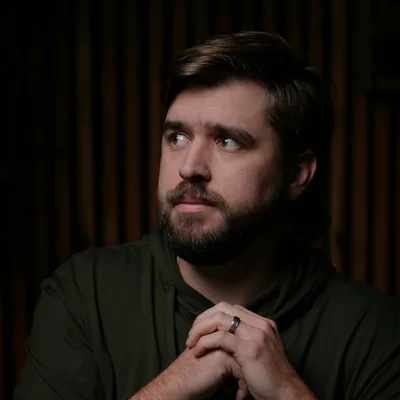
About Michael
I'm Michael, a mental health creator, recovered alcoholic, future therapist, and the host of Sober Psychology. After realizing how much of the traditional mental health conversation misses the mark, I decided to build a space dedicated to raw, unfiltered self-examination and personal healing. My approach combines psychological principles with brutal honesty and hard truths, cutting through the noise to help people navigate their own growth. No toxic positivity, no hidden shame—just real conversations about what it actually takes to heal.