Feeling Like an Imposter? Try This Cognitive Reframe
💥 You’re not an imposter. You’re a work in progress — and that’s the point. 💥
Perfection isn’t the standard. Not in recovery, not in marriage, not in life. You’re going to fail, screw up, and fall short — sometimes spectacularly. That doesn’t make you a fraud. It makes you a human being who’s still building.
In this Sober Psychology episode, I get personal about the messy reality of growth — as a husband, in sobriety, and in every role we play. I share how science (yep, CBT in particular) backs up what the Big Book has been saying for decades: reframe the lies in your head.
Instead of “I’m not really sober,” try “I’m sober today, and that’s enough.” Instead of “I’m failing at this,” try “I’m learning as I go.” That’s the whole game — progress, not perfection.
🔑 What you’ll take away:
How to reframe distorted thoughts with CBT
Why failing doesn’t make you an imposter
The connection between the amygdala, prefrontal cortex, and self-doubt
Why “enough for today” is more powerful than you think
Your homework? Write down one thing you did well today. No matter how small. Then commit to doing just a little better tomorrow.
This video is for general educational purposes and is not a substitute for professional medical or mental health advice, diagnosis, or treatment. If you are in crisis or having thoughts of harming yourself, call or text 988 (Suicide & Crisis Lifeline) or go to your nearest emergency room.
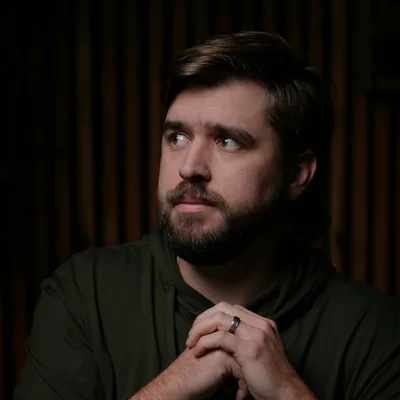
About Michael
I'm Michael, a mental health creator, recovered alcoholic, future therapist, and the host of Sober Psychology. After realizing how much of the traditional mental health conversation misses the mark, I decided to build a space dedicated to raw, unfiltered self-examination and personal healing. My approach combines psychological principles with brutal honesty and hard truths, cutting through the noise to help people navigate their own growth. No toxic positivity, no hidden shame—just real conversations about what it actually takes to heal.