Are You Wasting Money on Therapy?
🔥 Is Therapy a Scam? Let’s Tear This Apart. 🔥
Welcome back to Sober Psychology, where we don’t sugarcoat your BS. Today we’re diving into a question you’ve probably whispered after a $150 session that felt like venting to a brick wall — “Is therapy a scam?” 💸
We’ll go from Freud’s cocaine-fueled couch sessions (yes, that was a thing) all the way to TikTok “therapists” dishing out generic advice in 60-second clips. Some of you swear by therapy — it’s your sacred safe space. Others think it’s a crutch for people too soft to handle life’s gut punches. I get it. I’ve clawed my way through decades of trauma and addiction, so I’ve got receipts on both sides of this debate.
Stick around — I’m unpacking: ✔️ Where therapy came from (and how Freud made a fortune sniffing coke and calling it treatment) ✔️ How pop psychology became a bigger scam than your ex’s apology text ✔️ How to sniff out a real therapist from a “healing energy” hustler ✔️ And why manifesting joy with Pinterest quotes won’t fix your childhood
This is raw. This is real. I’m here to slap you with hard truths and a dash of dark humor — because mental health isn’t just vibes, it’s work.
👇 Drop a comment: Have you ever felt ripped off by a therapist? Let’s get honest.
This video is for general educational purposes and is not a substitute for professional medical or mental health advice, diagnosis, or treatment. If you are in crisis or having thoughts of harming yourself, call or text 988 (Suicide & Crisis Lifeline) or go to your nearest emergency room.
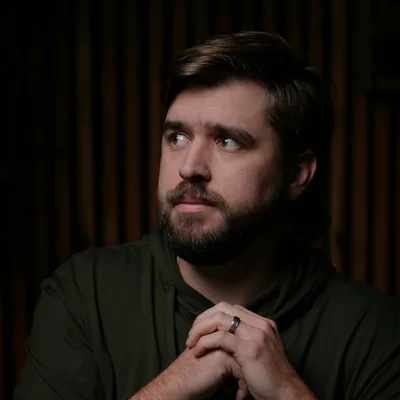
About Michael
I'm Michael, a mental health creator, recovered alcoholic, future therapist, and the host of Sober Psychology. After realizing how much of the traditional mental health conversation misses the mark, I decided to build a space dedicated to raw, unfiltered self-examination and personal healing. My approach combines psychological principles with brutal honesty and hard truths, cutting through the noise to help people navigate their own growth. No toxic positivity, no hidden shame—just real conversations about what it actually takes to heal.