Pop Psychology
6 episodes tagged "Pop Psychology".

Pop Psychology vs. Clinical Reality
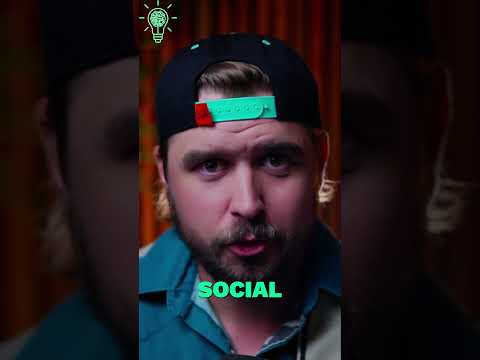
Over the last few years, we've seen a massive trend: the weaponization of clinical terminology to justify basic selfishness and emotional avoidance. In this clip, I’m translating four of the most overused "therapy speak" terms from Pop Psychology back into Clinical Reality: ○ Setting a Boundary: Pop psychology treats this like cutting off anyone who inconveniences you. Clinical reality: It’s a rule for YOUR OWN behavior to keep you safe, not a mandate to control others. ○ Gaslighting: Pop psychology uses it when someone remembers an argument differently. Clinical reality: A systematic, malicious tactic of psychological abuse designed to erase your reality. ○ Trauma: Pop psychology labels any uncomfortable or embarrassing moment as trauma. Clinical reality: A profound rupture that completely overwhelms your nervous system's capacity to cope. ○ Narcissist: Pop psychology calls every selfish ex a narcissist. Clinical reality: A pervasive, severe personality disorder defined by a total lack of empathy. 💬 Which of these four terms do you hear misapplied the most in everyday conversations? Drop your thoughts below—let's discuss! If you appreciate unfiltered psychological breakdowns that cut through pop culture fluff, hit that Like button and Subscribe to the channel!

Is TikTok Giving You Bad Advice?
“Why TikTok Therapy Is Just Pretty Garbage 🧠🚫✨” Look, I’m not here to slap on a shiny mask and spoon-feed you feel-good nonsense — I’m here to hit you with real talk that might actually save your sanity. Yeah, it’s not trending content. I’m not gonna shake my ass or drop half-baked affirmations just to rake in views. Here’s the thing — mental health TikTok is a minefield. So many “therapists” and “coaches” are giving out bad advice wrapped in pretty packages, and if you’re barely holding on by a thread, those warm fuzzies might cost you way more than a wasted scroll session. I’m not saying you can’t find legit insight online — you can. But don’t confuse viral content with real therapy. The dopamine hits from trendy clips won’t do the real work for you. That’s why this channel is different. We go deeper, we talk science, we get raw. I’d rather have 20 people who actually learn something real than 20,000 who just want quick fixes they’ll never apply. So if you want someone to just hype you up — keep scrolling. If you want psychology without the sugar-coating, you’re in the right place.
Is Positive Thinking Actually Hurting You?
💥 “Just Breathe” Memes Are Mental Junk Food — Here’s Why 💥 Alright, let’s rip the Band-Aid off: those cutesy just breathe memes? They’re not therapy — they’re mental junk food. 🧘♂️🍔 A 2022 study in Frontiers in Psychology found that oversimplified self-help advice actually increases anxiety when it inevitably fails to deliver. And oh boy, it fails a lot. That “good vibes only” energy won’t save you when you hate your job, your rent’s due, and your cat just puked on your only clean shirt. Take positive thinking. Sounds empowering, right? Well, a 2019 study in the Journal of Clinical Psychology showed that forcing positivity can backfire — making you feel even worse when you can’t manifest your way out of a dumpster fire life. And don’t even get me started on trauma dumping online. That’s not healing — it’s just performative whining. There’s real data on this: a 2021 study in Computers in Human Behavior found that oversharing online is linked to higher stress and lower self-esteem. Y’all, you’re not processing — you’re just fishing for likes. 🎣💔 Stop chasing the dopamine hit of a heart emoji. Healing doesn’t come from recycled Pinterest quotes or TikTok soundbites — it comes from doing the work. 👇 Drop a comment: What’s the cringiest pop psych trend you’ve ever tried? Be honest.

Is Pop Psychology Making Things Worse?
🔥 Pop Psychology: Therapy’s Shitty Cousin 🔥 Alright, let’s call it what it is: Pop psychology is therapy’s bastard child — and it’s doing more damage than your bad Tinder date ever could. 😬 You know what I’m talking about: those Instagram carousels about “healing your inner child” or that TikTok “therapist” telling you to “release your trauma in 60 seconds.” Spoiler alert: trauma doesn’t evaporate because you watched a reel with calming music. Pop psych takes legit ideas — like mindfulness and self-compassion — and waters them down into bumper stickers for your soul. A 2022 study in Frontiers in Psychology showed that all this oversimplified self-help BS actually increases anxiety when it inevitably fails to deliver. So yeah, that “just breathe” meme isn’t therapy — it’s mental junk food. 🧘♀️🍟 So stop chasing quick fixes from influencers who skimmed The Power of Now once and crowned themselves a guru. Real healing is messy, slow, and doesn’t fit in a 60-second clip. 👇 Sound off in the comments: Have you ever fallen for a pop psych trend that backfired? I wanna know.

Are You Wasting Money on Therapy?
🔥 Is Therapy a Scam? Let’s Tear This Apart. 🔥 Welcome back to Sober Psychology, where we don’t sugarcoat your BS. Today we’re diving into a question you’ve probably whispered after a $150 session that felt like venting to a brick wall — “Is therapy a scam?” 💸 We’ll go from Freud’s cocaine-fueled couch sessions (yes, that was a thing) all the way to TikTok “therapists” dishing out generic advice in 60-second clips. Some of you swear by therapy — it’s your sacred safe space. Others think it’s a crutch for people too soft to handle life’s gut punches. I get it. I’ve clawed my way through decades of trauma and addiction, so I’ve got receipts on both sides of this debate. Stick around — I’m unpacking: ✔️ Where therapy came from (and how Freud made a fortune sniffing coke and calling it treatment) ✔️ How pop psychology became a bigger scam than your ex’s apology text ✔️ How to sniff out a real therapist from a “healing energy” hustler ✔️ And why manifesting joy with Pinterest quotes won’t fix your childhood This is raw. This is real. I’m here to slap you with hard truths and a dash of dark humor — because mental health isn’t just vibes, it’s work. 👇 Drop a comment: Have you ever felt ripped off by a therapist? Let’s get honest.

Therapy: Life-Changing Tool or Overpriced Scam? | Episode 38
What’s up, you glorious chaos agents? It’s Michael, your Sober Psychology host—psychologist in training, sober dad, and the guy who’s done with the scams. In this episode, I’m ripping into therapy like it’s a bag of Cool Ranch Doritos. Is it the lifeline that pulled me out of addiction’s grip, or a fancy con where you pay $200 to cry while someone nods? I’m diving deep into therapy’s wild history—from Freud’s coke-fueled couch to TikTok therapists peddling “vibes”—and breaking down the good, the bad, and the straight-up scammy. Get ready for 35 minutes of unfiltered truth, backed by science and my own decades of battling demons. I’m exposing why pop psychology’s a bigger ripoff than a gas station burrito, when therapy actually works, and how to spot a shrink who’s not just milking your wallet. Expect dark humor, hard-hitting facts, and no coddling—this ain’t your mama’s self-help channel. 🔥 Why watch? Because you deserve to know if therapy’s worth your cash or if you’re better off venting to your dog. Hit play to learn how to navigate the therapy jungle without getting screwed. Drop a comment with your therapy win or horror story—I’m reading every one. Like, subscribe, and share this with someone who’s been burned by a bad shrink or needs a push to try. Let’s get real. References: - Freud, S. (1900). The Interpretation of Dreams. - Rogers, C. R. (1951). Client-Centered Therapy. - Beck, A. T. (1979). Cognitive Therapy and the Emotional Disorders. - Linehan, M. M. (1993). Cognitive-Behavioral Treatment of Borderline Personality Disorder. - Wampold, B. E. (2019). The therapeutic alliance and client outcomes. Journal of Consulting and Clinical Psychology. - Norcross, J. C., & Lambert, M. J. (2018). Evidence-based therapy relationships. Psychotherapy. - Shedler, J. (2018). Where is the evidence for evidence-based therapy? Clinical Psychology Review. - American Psychological Association (2023). Mental Health Trends in America. - Consumer Reports (2022). Online Therapy Platforms: A Review. - Papola, D., et al. (2020). Efficacy of psychotherapies for depression. The Lancet Psychiatry. - Video Cred: - https://www.youtube.com/ (https://www.youtube.com/shorts/kk8MQqbbUe8)