Is Positive Thinking Actually Hurting You?
💥 “Just Breathe” Memes Are Mental Junk Food — Here’s Why 💥
Alright, let’s rip the Band-Aid off: those cutesy just breathe memes? They’re not therapy — they’re mental junk food. 🧘♂️🍔
A 2022 study in Frontiers in Psychology found that oversimplified self-help advice actually increases anxiety when it inevitably fails to deliver. And oh boy, it fails a lot. That “good vibes only” energy won’t save you when you hate your job, your rent’s due, and your cat just puked on your only clean shirt.
Take positive thinking. Sounds empowering, right? Well, a 2019 study in the Journal of Clinical Psychology showed that forcing positivity can backfire — making you feel even worse when you can’t manifest your way out of a dumpster fire life.
And don’t even get me started on trauma dumping online. That’s not healing — it’s just performative whining. There’s real data on this: a 2021 study in Computers in Human Behavior found that oversharing online is linked to higher stress and lower self-esteem. Y’all, you’re not processing — you’re just fishing for likes. 🎣💔
Stop chasing the dopamine hit of a heart emoji. Healing doesn’t come from recycled Pinterest quotes or TikTok soundbites — it comes from doing the work.
👇 Drop a comment: What’s the cringiest pop psych trend you’ve ever tried? Be honest.
This video is for general educational purposes and is not a substitute for professional medical or mental health advice, diagnosis, or treatment. If you are in crisis or having thoughts of harming yourself, call or text 988 (Suicide & Crisis Lifeline) or go to your nearest emergency room.
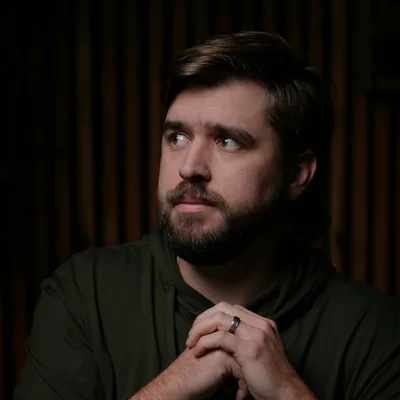
About Michael
I'm Michael, a mental health creator, recovered alcoholic, future therapist, and the host of Sober Psychology. After realizing how much of the traditional mental health conversation misses the mark, I decided to build a space dedicated to raw, unfiltered self-examination and personal healing. My approach combines psychological principles with brutal honesty and hard truths, cutting through the noise to help people navigate their own growth. No toxic positivity, no hidden shame—just real conversations about what it actually takes to heal.