Alcohol Recovery Understanding Your Body's Recalibration Process
🧠 “Your Brain in Early Sobriety: Recalibration, Impulse, and Oversharing” | Recovery Psychology Short
When your body becomes physically and mentally dependent on a substance, sobriety isn’t just a decision—it’s a neurological battle.
Suddenly, all the emotions, trauma, and stressors you numbed with alcohol or drugs? They’re back. Raw. Unfiltered. Undeniable. And now you have nothing to mute them.
Your body enters what I call the recalibration phase. That can last up to 2 years. Yes—years.
During this time:
🧠 Your prefrontal cortex—your decision-making center—is sluggish.
🔔 Your amygdala—the emotional panic alarm—is hyperactive. You ignored the part of your brain that said, “Slow down,” and instead lived in survival mode. That’s not weakness—that’s adaptation. But now, you’ve got to retrain your system.
This is why you're impulsive. Why you overshare. Why your emotions feel like they’re on a hair-trigger.
So stop beating yourself up. You're not failing—you’re healing.
And this is where accountability comes in. Folks further down the recovery road can look at you and say:
“Chill the F out. You’re not crazy. You’re recalibrating.”
And in group settings like AA or NA, sharing is encouraged—but as we’ve said repeatedly, there's a line. Know the difference between processing and performing. You’re allowed to speak—just don’t let your amygdala grab the mic every time.
This video is for general educational purposes and is not a substitute for professional medical or mental health advice, diagnosis, or treatment. If you are in crisis or having thoughts of harming yourself, call or text 988 (Suicide & Crisis Lifeline) or go to your nearest emergency room.
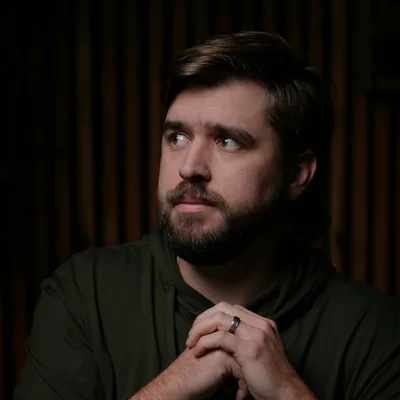
About Michael
I'm Michael, a mental health creator, recovered alcoholic, future therapist, and the host of Sober Psychology. After realizing how much of the traditional mental health conversation misses the mark, I decided to build a space dedicated to raw, unfiltered self-examination and personal healing. My approach combines psychological principles with brutal honesty and hard truths, cutting through the noise to help people navigate their own growth. No toxic positivity, no hidden shame—just real conversations about what it actually takes to heal.