What Happens When Men Don't Feel Safe Being Vulnerable
📦 “Oversharing Isn’t the Enemy—Avoidance Is” | Vulnerability vs Validation in Recovery Short
Let me be crystal clear: Oversharing ≠ silence. I’m not saying shut your mouth, turn into an emotional zombie, and pretend nothing’s wrong. What I am saying is this: oversharing without intention is validation-seeking disguised as vulnerability.
If you’re unloading your entire childhood trauma onto the poor pizza delivery guy who just wanted a tip and a "have a nice night"—that’s not healthy vulnerability. That’s desperation. That’s emotional misfiring.
🔍 We talked 4–5 weeks ago about the village mentality—about building community. And YES, you need people. You need a circle. You need safe, solid relationships where you can be seen, heard, and held accountable.
But the problem? 🧠 A lot of men—especially in recovery—don’t feel safe being vulnerable. So we default to two extremes:
Overshare with the wrong people, or
Internalize everything until it explodes.
That second one? That’s a ticking time bomb. Internalizing emotions corrodes you—not just mentally, but physically.
So what’s the balance?
✅ Speak. ✅ Share. ✅ But know the room. And know the difference between honesty and emotional ambush.
This video is for general educational purposes and is not a substitute for professional medical or mental health advice, diagnosis, or treatment. If you are in crisis or having thoughts of harming yourself, call or text 988 (Suicide & Crisis Lifeline) or go to your nearest emergency room.
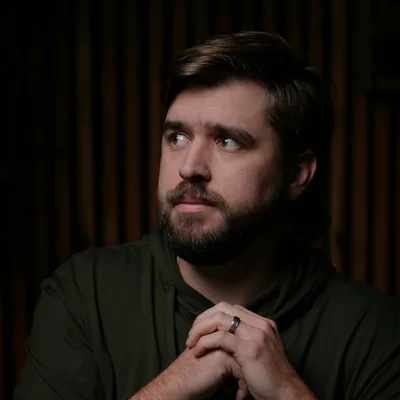
About Michael
I'm Michael, a mental health creator, recovered alcoholic, future therapist, and the host of Sober Psychology. After realizing how much of the traditional mental health conversation misses the mark, I decided to build a space dedicated to raw, unfiltered self-examination and personal healing. My approach combines psychological principles with brutal honesty and hard truths, cutting through the noise to help people navigate their own growth. No toxic positivity, no hidden shame—just real conversations about what it actually takes to heal.