Why Is Reading The Bible So Hard For Me?
"Journaling is how I make sense of the chaos."
For me, it shows up everywhere. When I read the Bible, I journal—because let’s be honest, sometimes the language feels outdated, the concepts are hard, and my brain won’t shut up. Writing it down helps me pause, reflect, and actually hear what God wants me to see.
I’ve even journaled letters to my son. Some nights I’m frustrated—he won’t sleep, I’m exhausted, schoolwork is piling up. But once I write it down, gratitude follows. I end up saying, “I love you, and I can’t wait until you have kids who treat you the same way.” That’s the power of reflection—it flips frustration into perspective.
And here’s the kicker: journaling isn’t just for faith or parenting. If you can’t express yourself to your spouse, your friends, or even yourself, journaling is practice. It’s mental rehearsal for real conversations. Without it, all those thoughts just bounce around unchecked. With it? You filter, process, and regulate.
This video is for general educational purposes and is not a substitute for professional medical or mental health advice, diagnosis, or treatment. If you are in crisis or having thoughts of harming yourself, call or text 988 (Suicide & Crisis Lifeline) or go to your nearest emergency room.
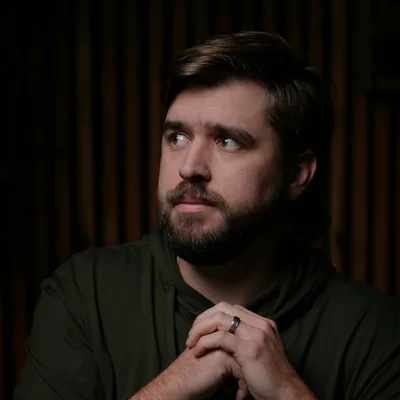
About Michael
I'm Michael, a mental health creator, recovered alcoholic, future therapist, and the host of Sober Psychology. After realizing how much of the traditional mental health conversation misses the mark, I decided to build a space dedicated to raw, unfiltered self-examination and personal healing. My approach combines psychological principles with brutal honesty and hard truths, cutting through the noise to help people navigate their own growth. No toxic positivity, no hidden shame—just real conversations about what it actually takes to heal.