Why CBT and Mindfulness Work Together!
🔥 Relapse Prevention Isn’t Luck — It’s Brain Science.
Let’s talk about Section 3: Rewiring Your Brain Before It Hijacks You. Look, relapse doesn’t just sneak up on you like a ninja in a hoodie. It builds—through stress, old triggers, and crappy thought patterns. But here’s the good news:
🧠 Cognitive Behavioral Therapy (CBT) is one of the strongest tools we’ve got. A 2013 meta-analysis in Clinical Psychology Review found that CBT reduces relapse rates by teaching you how to:
Spot triggers before they explode
Reframe toxic thinking
Replace self-destruction with strategy
🎧 Pair that with mindfulness—not the incense-burning, humming-on-a-hill version, but the science-backed, awareness-driven type—and now you’ve got real armor. A 2022 JAMA Psychiatry study showed mindfulness-based relapse prevention drops relapse risk by 20%. That’s a big number.
💡 Think of it like this:
AA: Trust God & clean house
Science: Rewire your brain & stop being a dumbass
Either way, you’re building a better you. This isn’t just recovery. This is mental strength training.
You can rewire your brain. But it takes work. Daily. Gritty. Relentless work. And guess what? You get to do that work—for your own damn freedom.
This video is for general educational purposes and is not a substitute for professional medical or mental health advice, diagnosis, or treatment. If you are in crisis or having thoughts of harming yourself, call or text 988 (Suicide & Crisis Lifeline) or go to your nearest emergency room.
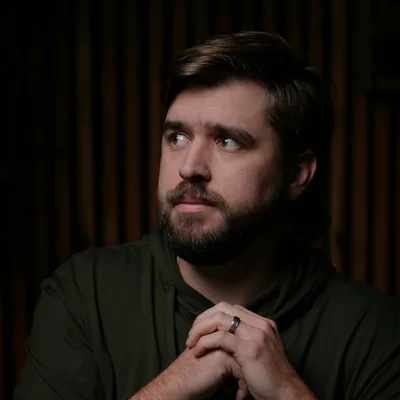
About Michael
I'm Michael, a mental health creator, recovered alcoholic, future therapist, and the host of Sober Psychology. After realizing how much of the traditional mental health conversation misses the mark, I decided to build a space dedicated to raw, unfiltered self-examination and personal healing. My approach combines psychological principles with brutal honesty and hard truths, cutting through the noise to help people navigate their own growth. No toxic positivity, no hidden shame—just real conversations about what it actually takes to heal.