What Really Causes That Urge To Relapse?
🚨 Moderation Is a Lie Your Addicted Brain Tells You.
Let’s get into Section 2: The Psychological Traps of Relapse. Why do we keep crawling back to the same bottle, pill, or hit that wrecked us the last 87 times?
It’s that gaping void inside your chest—the one that screams for relief when life sucker punches you. That’s the emotional trap, and it has a name: 📚 The Self-Medication Hypothesis (Harvard Review of Psychiatry). We don't drink or use to have fun. We do it to numb grief, trauma, loneliness, or just the soul-sucking boredom of folding fitted sheets at 2AM.
But here's the cruel twist: 🚫 Substances don’t fill the void—they just shovel it deeper. Every high is a temporary escape followed by a deeper emotional crash. Over time, those dopamine dips get lower and lower… until there's nothing left to numb.
That’s why so many people in addiction spiral into shame, isolation, and eventually even suicidal ideation. Because when you’ve chased the high for years and the lows keep getting worse, it starts to feel like there’s no way out.
But there is a way out—and it doesn’t come in a bottle. It starts with facing the pain you’re running from. 👊 This isn’t about willpower. It’s about rewiring how you cope.
You’re not weak. You’re in a trap. Now let’s break out.
This video is for general educational purposes and is not a substitute for professional medical or mental health advice, diagnosis, or treatment. If you are in crisis or having thoughts of harming yourself, call or text 988 (Suicide & Crisis Lifeline) or go to your nearest emergency room.
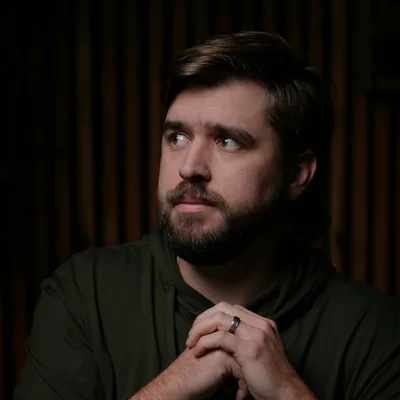
About Michael
I'm Michael, a mental health creator, recovered alcoholic, future therapist, and the host of Sober Psychology. After realizing how much of the traditional mental health conversation misses the mark, I decided to build a space dedicated to raw, unfiltered self-examination and personal healing. My approach combines psychological principles with brutal honesty and hard truths, cutting through the noise to help people navigate their own growth. No toxic positivity, no hidden shame—just real conversations about what it actually takes to heal.