Beat Self Doubt With This Simple Trick!
🔥 “Your brain is a liar, but paper doesn’t lie.”
If imposter syndrome has been living rent-free in your head, it’s time to evict that sucker with cold, hard facts. Write it down. Cross-examine it like you're a lawyer on Law & Order. Don’t let your emotions drive the narrative. Let reality take the wheel.
Step 1: Write it down. Every time you feel like a fraud, get it on paper and fact-check it. Spoiler: 9 times out of 10, it won’t hold up in court.
Step 2: Talk about it. Silence is where imposter syndrome thrives. Say it out loud to a sponsor, therapist, or a trusted friend. Page 84 of the Big Book says: “We vigorously commenced this way of living as we cleaned up the past.” Translation: Honesty is the antidote.
Even science agrees — a 2019 study found that verbalizing imposter thoughts reduces their intensity. That’s your amygdala calming down and your prefrontal cortex kicking in. Boom. Brain science.
Step 3: Embrace “good enough.” Perfectionism is where imposter syndrome throws its wild parties. Shut it down. You’re human. Good enough is plenty.
🧠 Bonus: Tell someone you feel like a fake. Watch them go, “Yeah, same.” Laugh about it together. Your brain’s dramatic. But you? You’re doing better than you think.
This video is for general educational purposes and is not a substitute for professional medical or mental health advice, diagnosis, or treatment. If you are in crisis or having thoughts of harming yourself, call or text 988 (Suicide & Crisis Lifeline) or go to your nearest emergency room.
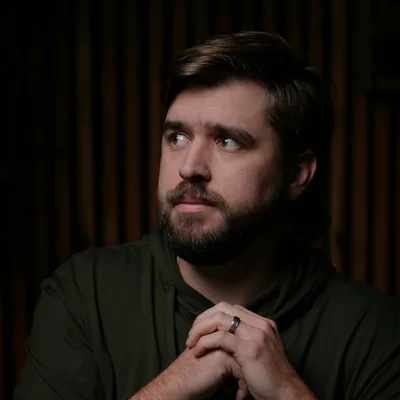
About Michael
I'm Michael, a mental health creator, recovered alcoholic, future therapist, and the host of Sober Psychology. After realizing how much of the traditional mental health conversation misses the mark, I decided to build a space dedicated to raw, unfiltered self-examination and personal healing. My approach combines psychological principles with brutal honesty and hard truths, cutting through the noise to help people navigate their own growth. No toxic positivity, no hidden shame—just real conversations about what it actually takes to heal.