Is AA Still Working in 2025?
⚡ “AA: Boot camp back then, yoga class now?”
Welcome back to Sober Psychology, where we don’t just sip the Kool-Aid—we spike it with some uncomfortable truths. Today, we’re looking at the evolution of Alcoholics Anonymous and asking: did it get stronger, or just softer?
Membership basically flatlined around 1993 at 2 million, right when insurance-funded rehabs started pushing what I call AA Lite. The Atlantic (2015) even called AA “irrational,” pointing out it’s rooted in 1930s brain science. And now? With agnostic meetings and online groups, AA is more inclusive than ever—but purists call it dilution.
The New York Times (1988) noted that as stigma around alcoholism faded, AA diversified. What used to feel like boot camp now feels closer to yoga with prayers. Some say it doesn’t work anymore. Others say maybe we stopped working it—or maybe society just got too soft for surrender.
But here’s the thing: evolution isn’t always bad. Today, AA exists in 180 countries, blending with modern psychology like CBT hybrids. And let’s kill the myth of the “good old days”—even the founders relapsed. If AA feels watered down, maybe it’s because recovery itself has gone mainstream, not because the program lost its bite.
💬 What do you think? Is AA adapting in the right ways—or has it lost its edge? Comment below.
This video is for general educational purposes and is not a substitute for professional medical or mental health advice, diagnosis, or treatment. If you are in crisis or having thoughts of harming yourself, call or text 988 (Suicide & Crisis Lifeline) or go to your nearest emergency room.
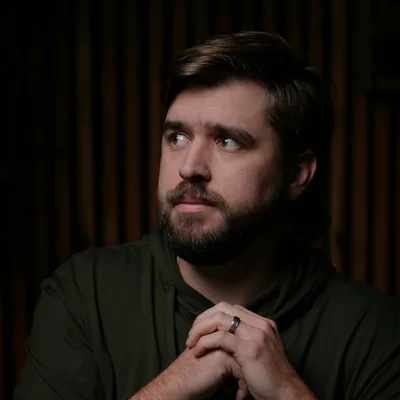
About Michael
I'm Michael, a mental health creator, recovered alcoholic, future therapist, and the host of Sober Psychology. After realizing how much of the traditional mental health conversation misses the mark, I decided to build a space dedicated to raw, unfiltered self-examination and personal healing. My approach combines psychological principles with brutal honesty and hard truths, cutting through the noise to help people navigate their own growth. No toxic positivity, no hidden shame—just real conversations about what it actually takes to heal.