Whiskey Addiction My Terrifying Experience with Alcohol Withdrawal
🥃 “Two Gallons a Day—The Brutal Truth of What Alcohol Did to My Body” | Raw Recovery Short
Ever wonder why your trauma blurts out at the worst moments? It’s not drama—it’s biology. Your body is trying to recalibrate after years of chemical dependency.
At my worst, I was drinking over two gallons of whiskey a day. Not a typo. Two. Gallons. Per. Day. Full handles. Daily. My body didn’t just crave alcohol—it depended on it to function.
🧠 If I stopped?
DTs (delirium tremens) kicked in.
I was shaking—sometimes physically, always internally.
Cold flashes. Hot flashes. Cramping so bad around my liver I felt like I'd been stabbed.
I couldn’t even brush my teeth in the morning without gagging—unless I took a shot of whiskey. Yeah. That was my 6:00 a.m. routine.
This isn’t about shame. This is about truth. Your body adapts to survive your addiction. And when you take that substance away, it freaks the hell out. So when you’re randomly emotional or emotionally numb in recovery? That’s not weakness—it’s withdrawal. It’s your nervous system rewiring.
Be kind to yourself. You’re not just getting sober—you’re healing at the cellular level.
This video is for general educational purposes and is not a substitute for professional medical or mental health advice, diagnosis, or treatment. If you are in crisis or having thoughts of harming yourself, call or text 988 (Suicide & Crisis Lifeline) or go to your nearest emergency room.
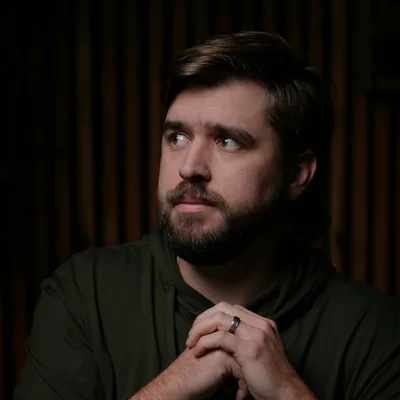
About Michael
I'm Michael, a mental health creator, recovered alcoholic, future therapist, and the host of Sober Psychology. After realizing how much of the traditional mental health conversation misses the mark, I decided to build a space dedicated to raw, unfiltered self-examination and personal healing. My approach combines psychological principles with brutal honesty and hard truths, cutting through the noise to help people navigate their own growth. No toxic positivity, no hidden shame—just real conversations about what it actually takes to heal.