relapseprevention
2 episodes tagged "relapseprevention".
Choosing Responsibility Over Ease
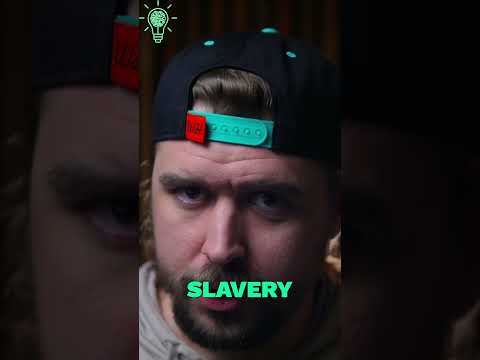
⏳ Freedom is harder than slavery—and that’s why we keep going back. This Short breaks down chaos addiction through Scripture, using Exodus to show how the Israelites romanticized slavery because freedom required responsibility. Psychology gave this a name later, but the Bible diagnosed it first. Sobriety is freedom. Health is freedom. Growth is freedom. And freedom is terrifying when you’re used to chains. Most of the chaos in your life isn’t bad luck—it’s impatience. It’s forcing doors God hasn’t opened yet because you don’t trust His timing. Faith isn’t frantic action. Faith is letting the plates sit still. If this hit home, like, comment, and subscribe for more faith-rooted psychology, recovery, and straight talk without the fluff.

Is AA a Cult? Unpacking the Stigma and Truth of Alcoholics Anonymous | Episode 44
Hey, you beautiful fighters! It’s Michael, your Sober Psychology host, tackling a big question everyone’s whispering about in this episode: "Is AA a Cult? Unpacking the Stigma and Truth of Alcoholics Anonymous." We’re diving into the rumors, the history from Carl Jung’s influence to the basement beginnings, how AA might’ve gotten a bit softer over time, and the real-deal benefits backed by science. If you’re in recovery or just curious about Alcoholics Anonymous, this raw chat cuts through the BS with some dark laughs and hard truths. Stick around for insights that could change how you see sobriety. Hit that like button, subscribe for more no-holds-barred psychology talks, and share with someone who needs it. New episodes every week on YouTube and Spotify—let’s stay real together! References: - Alcoholics Anonymous. (2001). Alcoholics Anonymous: The Story of How Many Thousands of Men and Women Have Recovered from Alcoholism (4th ed.). Alcoholics Anonymous World Services. - Kelly, J. F., et al. (2020). Alcoholics Anonymous and other 12-step programs for alcohol use disorder. Cochrane Database of Systematic Reviews, 3. - Humphreys, K., et al. (2014). Self-help organizations for alcohol and drug problems: Toward evidence-based practice and policy. Journal of Substance Abuse Treatment, 46(1), 1-10. - Kaskutas, L. A. (2009). Alcoholics Anonymous effectiveness: Faith meets science. Journal of Addictive Diseases, 28(2), 145-157. - Tonigan, J. S., et al. (2013). Spirituality and Alcoholics Anonymous. Southern Medical Journal, 106(1), 15-20.