The Truth About Friendship Nobody Tells You!
💥 Why Your Friendships Suck (And How to Fix It) | Sober Psychology Short
Welcome back to Sober Psychology — where we don’t sugarcoat your emotional baggage, we unpack it with a sledgehammer. I’m Michael, psychologist-in-training, sober, married, and still grinding it out in the trenches. 👊
Today’s brutal reality check: Friendship. Not your Instagram likes. Not your fantasy football group chat. REAL friendship.
Let’s be honest… 🚫 You're trauma-bonded to a toxic leech from 10th grade. 🚫 You're calling your DoorDash guy “bro” because he smiled once. 🚫 You think tagging your friend in a meme is “staying connected.” It’s not.
Friendship is not a vibe — it’s a psychological contract. ✅ Mutual trust ✅ Shared values ✅ Show-up-when-it-sucks loyalty
And guess what? Most of you are defaulting on that contract — daily.
So here’s what’s coming in the full episode:
Why your friendships are crumbling (science-backed)
How to build real connection (without being a clingy mess)
And how to stop being a flaky, emotionally unavailable zombie
This ain’t fluff. This is a wake-up call. Let’s fix your social life before your only friend is your Uber rating.
This video is for general educational purposes and is not a substitute for professional medical or mental health advice, diagnosis, or treatment. If you are in crisis or having thoughts of harming yourself, call or text 988 (Suicide & Crisis Lifeline) or go to your nearest emergency room.
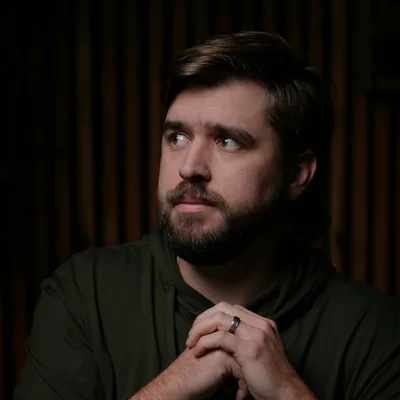
About Michael
I'm Michael, a mental health creator, recovered alcoholic, future therapist, and the host of Sober Psychology. After realizing how much of the traditional mental health conversation misses the mark, I decided to build a space dedicated to raw, unfiltered self-examination and personal healing. My approach combines psychological principles with brutal honesty and hard truths, cutting through the noise to help people navigate their own growth. No toxic positivity, no hidden shame—just real conversations about what it actually takes to heal.