Why the Screen Is Gen Z's New Whiskey
Gen Z isn't turning to alcohol at the same rates as previous generations—they drink significantly less. But don't mistake that for sobriety.
Between 2007 and 2012, as smart devices exploded, peer validation shifted from physical playgrounds to 24/7 digital metrics. The human brain was never evolved to process the collective trauma, vanity, and opinions of a billion people simultaneously over breakfast. When your worldview is fed by an algorithm optimized for outrage and despair, your nervous system remains in a chronic, low-grade state of fight-or-flight.
As a recovered alcoholic, this pattern looks deeply familiar. In active addiction, when we can't handle reality, we find a substance or behavior to numb our awareness. For Gen Z, the screen is the new glass of whiskey—numbing existential dread because it fits right in the palm of your hand. Older generations built a hyper-digitalized, volatile world and mocked Gen Z for feeling unstable. But victimhood has to stop. Delete the apps that make you hate your life, stay grounded, and stay real.
💬 Do you think screen addiction is more dangerous than physical addiction? Let’s debate this in the comments below!
If you're ready for unfiltered psychological breakdowns that combine clinical data, faith, and real-world truth, hit that Like button and Subscribe to the channel!
This video is for general educational purposes and is not a substitute for professional medical or mental health advice, diagnosis, or treatment. If you are in crisis or having thoughts of harming yourself, call or text 988 (Suicide & Crisis Lifeline) or go to your nearest emergency room.
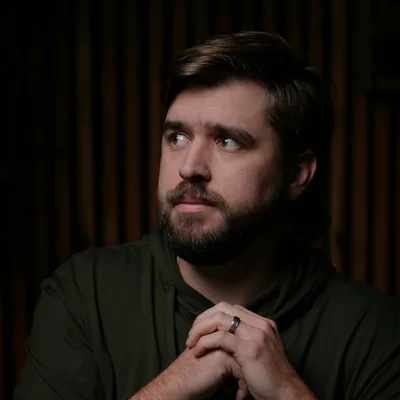
About Michael
I'm Michael, a mental health creator, recovered alcoholic, future therapist, and the host of Sober Psychology. After realizing how much of the traditional mental health conversation misses the mark, I decided to build a space dedicated to raw, unfiltered self-examination and personal healing. My approach combines psychological principles with brutal honesty and hard truths, cutting through the noise to help people navigate their own growth. No toxic positivity, no hidden shame—just real conversations about what it actually takes to heal.