Why Gen X is Built for Survival Mode
What is the actual psychological reality of a 7-year-old child walking home from school alone, unlocking an empty house, and turning on a television set just to fill the silence?
A child's brain is fundamentally a prediction machine. It looks at primary caregivers and asks one core question: "If I am in distress, are you going to show up?"
○ The Secure Child: When the answer is consistently yes. ○ The Anxious Child: When the answer is unpredictable and inconsistent. ○ The Avoidant Child: When the answer is consistently no.
When a caregiver is emotionally or physically absent, a child's brain adapts to survive. It hardwires a dismissive-avoidant attachment style. If you grew up as a latchkey kid, you didn't just learn independence—your brain adapted to survival mode.
Does this sound like your childhood experience? Drop a comment below and let's look at the raw truth.
If you're ready to break the cycle of emotional avoidance and build a deeper understanding of human behavior, smash that Subscribe button, like this video, and share it with someone who needs to see this today!
This video is for general educational purposes and is not a substitute for professional medical or mental health advice, diagnosis, or treatment. If you are in crisis or having thoughts of harming yourself, call or text 988 (Suicide & Crisis Lifeline) or go to your nearest emergency room.
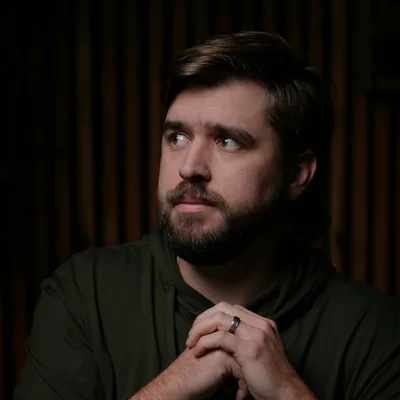
About Michael
I'm Michael, a mental health creator, recovered alcoholic, future therapist, and the host of Sober Psychology. After realizing how much of the traditional mental health conversation misses the mark, I decided to build a space dedicated to raw, unfiltered self-examination and personal healing. My approach combines psychological principles with brutal honesty and hard truths, cutting through the noise to help people navigate their own growth. No toxic positivity, no hidden shame—just real conversations about what it actually takes to heal.