How To Stop Overthinking Every Decision!
🔥 Too Many Choices, Not Enough Sanity? Here's Why You're Stuck. 🔥
What’s up, you beautiful disasters — welcome back to Sober Psychology. I’m Michael, sober dad, psychologist-in-training, and your friendly neighborhood bad-decision expert. This week, we’re diving deep into the burden of choice. You know, that soul-splitting moment where you're paralyzed by too many damn options — Netflix, takeout, dating apps, career moves — and somehow you always end up with regret and cereal for dinner. Again.
Here’s the deal: choice isn’t always freedom — sometimes it’s just a slow, psychological chokehold. Decision fatigue is real. The more options you have, the worse your choices become. And if your brain’s wired a little differently (ADHD, anxiety, trauma history — hi, welcome to the club), it hits even harder.
This episode exposes:
Why more options = more misery
How overthinking is just designer self-sabotage
What science says about decision fatigue and mental bandwidth
How to stop choking on choices and start trusting yourself again
I'm not giving you a 5-step Pinterest plan. I'm giving you the mental crowbar to pry your life out of analysis paralysis. So write it down. Say it out loud. Whatever it takes to stop the cycle. This ain’t fluff — it’s psychology with teeth. Stick around.
This video is for general educational purposes and is not a substitute for professional medical or mental health advice, diagnosis, or treatment. If you are in crisis or having thoughts of harming yourself, call or text 988 (Suicide & Crisis Lifeline) or go to your nearest emergency room.
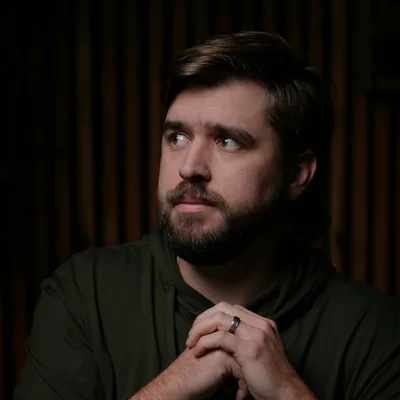
About Michael
I'm Michael, a mental health creator, recovered alcoholic, future therapist, and the host of Sober Psychology. After realizing how much of the traditional mental health conversation misses the mark, I decided to build a space dedicated to raw, unfiltered self-examination and personal healing. My approach combines psychological principles with brutal honesty and hard truths, cutting through the noise to help people navigate their own growth. No toxic positivity, no hidden shame—just real conversations about what it actually takes to heal.