Make Better Choices With This Simple Trick!
🧠 Step 2: Use a Decision-Making Framework Before You Torch Your Own Life Again
Your brain’s not broken — it’s just overwhelmed. And if you’re anything like me (ADHD, OCD, probably low-key autistic), that “just pick something” advice from your well-meaning cousin Chad does not cut it.
So here’s what works: 👉 Suzy Welch’s 10/10/10 Rule Ask yourself:
How will this feel in 10 minutes?
How will it feel in 10 months?
How will it feel in 10 years?
It forces your brain to shift from emotion (amygdala) to logic (prefrontal cortex). Translation? You stop reacting like a caffeinated raccoon and start thinking like a calm, future-focused adult.
And yeah, there’s science: 📚 A 2021 study in Decision Magazine found that structured tools like this reduce decision anxiety by 30%. That’s not nothing.
For neurodivergent folks, frameworks are a lifeline.
ADHD? Use visual tools like pros and cons lists.
OCD? Externalize it — talk it out to break the mental loop.
Autistic? Routines reduce sensory overload. (Same sandwich, same coffee, less panic — trust me.)
Just pick a system. Use it. Write it down. You don’t need less stress — you need more structure.
This video is for general educational purposes and is not a substitute for professional medical or mental health advice, diagnosis, or treatment. If you are in crisis or having thoughts of harming yourself, call or text 988 (Suicide & Crisis Lifeline) or go to your nearest emergency room.
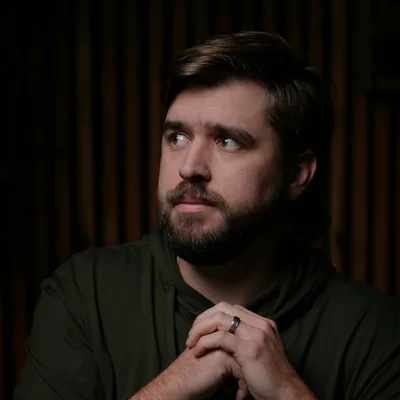
About Michael
I'm Michael, a mental health creator, recovered alcoholic, future therapist, and the host of Sober Psychology. After realizing how much of the traditional mental health conversation misses the mark, I decided to build a space dedicated to raw, unfiltered self-examination and personal healing. My approach combines psychological principles with brutal honesty and hard truths, cutting through the noise to help people navigate their own growth. No toxic positivity, no hidden shame—just real conversations about what it actually takes to heal.