Never Get Stuck in Awkward Silence Again!
💬 “Stop Killing Conversations—Ask Better Questions” | Social Skills Short
Closed questions like, “Did you have a good weekend?”—yeah, those are conversation killers. They lead to one-word answers followed by awkward silence and eye contact that feels like a hostage negotiation.
Here’s the fix: Start asking open-ended questions that invite a story, not a yes-or-no.
✅ Instead of: “Did you have a good weekend?” 🔥 Try: “What’s the wildest thing you got up to this weekend?”
Boom—now you’re in a real conversation. No more verbal dead ends.
📊 A 2019 study in Psychology Bulletin found that people who ask more open-ended questions are seen as more likable and engaging. That’s not just a social skill—it’s a superpower.
So stop interrogating people like you're in an FBI interview, and start actually connecting. Ask stuff like: 🔹 “What’s the craziest thing you’ve done lately?” 🔹 “What’s something this week that totally surprised you?” 🔹 “What’s been taking up your headspace lately?”
Let people tell their story. You're not just fishing for info—you're building trust.
Want to be a conversational god? Lose the yes/no, embrace curiosity.
This video is for general educational purposes and is not a substitute for professional medical or mental health advice, diagnosis, or treatment. If you are in crisis or having thoughts of harming yourself, call or text 988 (Suicide & Crisis Lifeline) or go to your nearest emergency room.
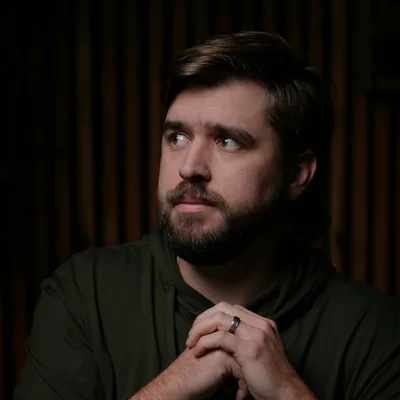
About Michael
I'm Michael, a mental health creator, recovered alcoholic, future therapist, and the host of Sober Psychology. After realizing how much of the traditional mental health conversation misses the mark, I decided to build a space dedicated to raw, unfiltered self-examination and personal healing. My approach combines psychological principles with brutal honesty and hard truths, cutting through the noise to help people navigate their own growth. No toxic positivity, no hidden shame—just real conversations about what it actually takes to heal.