How to Spot a Conversation Narcissist Fast!
🎯 “Conversational Narcissism: The Power Move That Makes People Feel Invisible” | Sober Psychology Short
Let’s talk about conversational manipulation—because it’s real, and it’s toxic.
This isn’t just someone being chatty—it’s a power move. Psychologically, it’s called conversational narcissism, a term coined by sociologist Charles Derber.
What is it?
🗣️ It’s when someone constantly steers the conversation back to themselves. You’re talking about your rough day, and they hit you with:
“Oh that’s nothing. Let me tell you about my day.”
These people aren’t just annoying—they’re emotionally draining.
A 2023 study in Social Psychological and Personality Science found that conversational narcissists are less likely to form deep relationships—because they make others feel invisible.
Big shocker, right?
Here's the real danger: They’re not listening. They’re waiting to talk. Every time you open up, they one-up you—or worse, they invalidate what you’re saying.
🔊 “That’s nothing.” 🛑 That’s disrespect. And it’s narcissistic.
How do you handle it?
✅ Call it out. ✅ Set boundaries. 🚪 If it keeps happening—walk away. Because you deserve to be heard, not steamrolled.
And yeah—don’t even get me started on gaslighting in conversations. That’s next-level psychological warfare.
This video is for general educational purposes and is not a substitute for professional medical or mental health advice, diagnosis, or treatment. If you are in crisis or having thoughts of harming yourself, call or text 988 (Suicide & Crisis Lifeline) or go to your nearest emergency room.
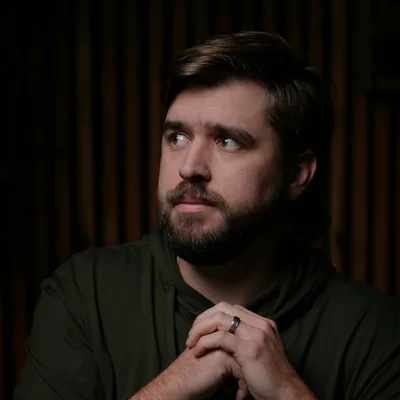
About Michael
I'm Michael, a mental health creator, recovered alcoholic, future therapist, and the host of Sober Psychology. After realizing how much of the traditional mental health conversation misses the mark, I decided to build a space dedicated to raw, unfiltered self-examination and personal healing. My approach combines psychological principles with brutal honesty and hard truths, cutting through the noise to help people navigate their own growth. No toxic positivity, no hidden shame—just real conversations about what it actually takes to heal.