What Happens When You Stop Blaming Everyone Else
Performing an emotional autopsy is the only way to stop blaming others for your suffering and start reclaiming your reality.
We often spend years trapped in a cycle of projection, convinced that our misery is entirely the fault of the people around us. This process of reviewing your own history is not about self-flagellation; it is a clinical look at your past behaviors to understand how they shaped your current reality. By conducting an emotional autopsy, you move away from the defensive narratives that keep you stuck and begin to see where your own choices fueled the fire.
True personal responsibility requires the courage to admit when you were the architect of your own chaos. When you stop looking for external scapegoats, you finally create the space necessary for genuine healing. This shift from victimhood to accountability is the most vital step in any long-term path toward narcissistic recovery, especially when you are trying to manage the lingering effects of chronic emotional distress. If you are tired of repeating the same patterns, this is where the work begins.
This video is for general educational purposes and is not a substitute for professional medical or mental health advice, diagnosis, or treatment. If you are in crisis or having thoughts of harming yourself, call or text 988 (Suicide & Crisis Lifeline) or go to your nearest emergency room.
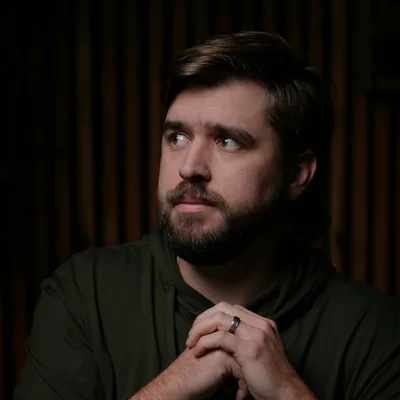
About Michael
I'm Michael, a mental health creator, recovered alcoholic, future therapist, and the host of Sober Psychology. After realizing how much of the traditional mental health conversation misses the mark, I decided to build a space dedicated to raw, unfiltered self-examination and personal healing. My approach combines psychological principles with brutal honesty and hard truths, cutting through the noise to help people navigate their own growth. No toxic positivity, no hidden shame—just real conversations about what it actually takes to heal.