The Coping Mechanism Argument Falls Apart
Is belief in God just a coping mechanism, or is there a deeper path to finding serenity?
A lot of atheists and skeptics will tell you that a belief in God is nothing more than a psychological coping mechanism to get through life. But they're missing the entire point.
I don’t pursue a relationship with God to find "happiness." Happiness is fleeting—and so is sadness. They're just two opposite ends of the emotional spectrum. What we're actually looking for is serenity.
As men, our default setting is always to get our hands on a problem. We want to fix it, adjust it, and get the answers right here, right now. But true serenity requires the exact opposite. It requires the faith to stand up and admit: "I don't have all the answers, and I don't know what to do next—but I know the Creator who does."
True peace doesn't come from controlling the script; it comes from trusting the Author.
Are you still trying to fix things out of your control, or are you ready to choose serenity? Let me know your thoughts in the comments below!
If you're ready to dig into raw psychology, faith, and the real human experience, smash that Subscribe button, like this video, and let's keep changing the conversation.
🔗 Join our community of growth and true reflection: https://discord.gg/3nEhVJ3P
This video is for general educational purposes and is not a substitute for professional medical or mental health advice, diagnosis, or treatment. If you are in crisis or having thoughts of harming yourself, call or text 988 (Suicide & Crisis Lifeline) or go to your nearest emergency room.
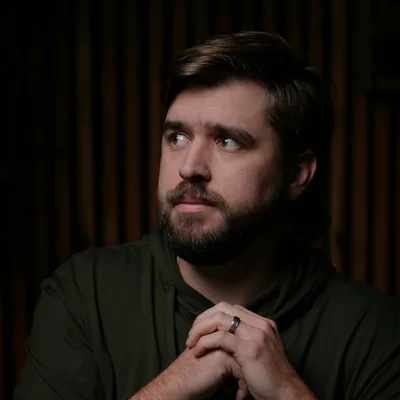
About Michael
I'm Michael, a mental health creator, recovered alcoholic, future therapist, and the host of Sober Psychology. After realizing how much of the traditional mental health conversation misses the mark, I decided to build a space dedicated to raw, unfiltered self-examination and personal healing. My approach combines psychological principles with brutal honesty and hard truths, cutting through the noise to help people navigate their own growth. No toxic positivity, no hidden shame—just real conversations about what it actually takes to heal.