Why ADHD Makes Decisions So Hard!
🧠 Your Brain’s Not Broken — It’s Just in a Warzone of Choices 🧠
If you’re neurodivergent, the burden of choice doesn’t feel like freedom — it feels like psychological warfare. ADHD? Your brain’s already juggling flaming chainsaws while reciting the alphabet backward. OCD? Every decision is life-or-death-level obsession. Autism? Even looking at a menu can feel like a sensory landmine.
A 2020 study in the Journal of Attention Disorders confirmed it: ADHD impairs executive function, leading to either impulsive chaos or total shutdown. Then a 2019 study in the Journal of Obsessive-Compulsive and Related Disorders said OCD turns choices into anxiety loops from hell — because your brain wants the perfect answer or no answer at all. And autism? A 2021 study in Autism Research found that choice overload literally causes sensory overwhelm. Your brain hits max capacity and bails.
This isn’t you being lazy or dramatic. This is how your brain is wired. But let’s be clear: Wiring is a reason. Not a permission slip.
Your brain’s not weak — it’s overclocked. And if you don’t start learning how to manage your mental load, life will keep throwing decisions at you until one of them knocks you flat.
No more excuses. Learn your patterns. Build better systems. Give your brain a break by cutting the clutter and choosing something.
This video is for general educational purposes and is not a substitute for professional medical or mental health advice, diagnosis, or treatment. If you are in crisis or having thoughts of harming yourself, call or text 988 (Suicide & Crisis Lifeline) or go to your nearest emergency room.
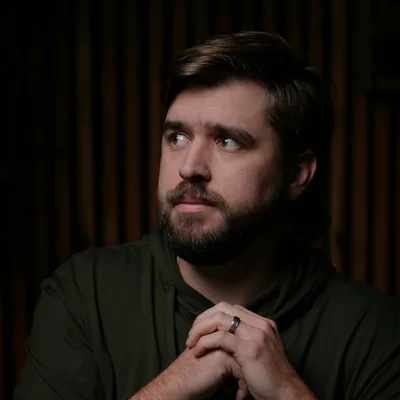
About Michael
I'm Michael, a mental health creator, recovered alcoholic, future therapist, and the host of Sober Psychology. After realizing how much of the traditional mental health conversation misses the mark, I decided to build a space dedicated to raw, unfiltered self-examination and personal healing. My approach combines psychological principles with brutal honesty and hard truths, cutting through the noise to help people navigate their own growth. No toxic positivity, no hidden shame—just real conversations about what it actually takes to heal.