Midland, Texas Taught Me What Dating Apps Are Actually For
⚡ “Dating apps aren’t the enemy—your intentions are.”
Yeah, I’ll own it. My wife and I met on a dating app. Hypocritical? No. Honest. Because here’s the difference: apps don’t ruin relationships—people’s intentions do.
Before I got sober, I was on apps for the same reason most people are: hookups, distractions, quick dopamine hits. Love as a transaction. But when I moved out here to Midland, Texas—a place I’ll be blunt and call the least community-driven city I’ve ever lived in—I knew I had to approach it differently. Out here, it’s a work town. Little community, scarce connection. Meeting people is flat-out hard.
So this time, I went in with purpose. I told anyone I matched with—especially my wife—up front: 👉 “I’m a Christian.” 👉 “I’m sober.” 👉 “I’m not hanging out in bars or partying.” 👉 “I’m looking for marriage, not casual dating.”
That honesty filtered everything. And yeah, my wife told me early on that she was agnostic. But because the foundation was honesty and intentionality, it gave us something real to work with—not just another empty situationship.
👉 Lesson: It’s not where you meet. It’s why you meet.
💬 Have you ever gone into dating apps with clear intentions—or were you just swiping for dopamine? Drop it below 👇
This video is for general educational purposes and is not a substitute for professional medical or mental health advice, diagnosis, or treatment. If you are in crisis or having thoughts of harming yourself, call or text 988 (Suicide & Crisis Lifeline) or go to your nearest emergency room.
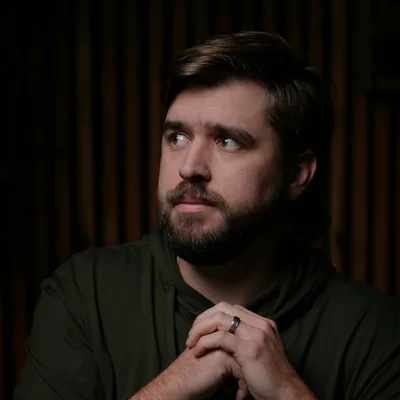
About Michael
I'm Michael, a mental health creator, recovered alcoholic, future therapist, and the host of Sober Psychology. After realizing how much of the traditional mental health conversation misses the mark, I decided to build a space dedicated to raw, unfiltered self-examination and personal healing. My approach combines psychological principles with brutal honesty and hard truths, cutting through the noise to help people navigate their own growth. No toxic positivity, no hidden shame—just real conversations about what it actually takes to heal.