Are SSRIs stealing our teenagers' future?
We are increasingly prescribing SSRIs to teenagers during the normal emotional turbulence of puberty, hindering their neuroplasticity and preventing the development of crucial distress tolerance skills. This practice, often justified under the umbrella of "mental health," can lead to long-term ssri side effects like emotional blunting. When we bypass the natural process of emotional regulation in adolescent psychology, we risk robbing young people of the chance to build resilience for adulthood. Let's discuss this trend and its impact on the nervous system.
Adolescence is supposed to be emotionally chaotic. It is the literal training ground for adulthood. Yet, the medical system is handing out SSRIs to teenagers the second they experience the normal, hormonal turbulence of puberty.
When we give a 14-year-old an antidepressant because they’re dealing with social anxiety or a high school breakup, we aren't just treating them—we're stealing their neuroplasticity. We're robbing them of the vital opportunity to learn how to build real-world distress tolerance. If you numb a teenager through their hardest developmental years, they're going to wake up at 25 years old with the emotional resilience of a toddler, entirely dependent on a pill just to handle a traffic jam.
We need to stop treating normal human development like a disease. If you’re ready to fight for real mental resilience and true healing, hit that Subscribe button, drop your thoughts in the comments, and share this video to break the cycle.
⚠️ CRITICAL MEDICAL DISCLAIMER: I am a psychologist in training, not a psychiatrist. This content is for educational and critical analysis purposes only. Never alter, start, or stop any psychiatric medication or medical treatment without the direct supervision of a licensed physician. Abruptly stopping SSRIs can cause severe withdrawal and central nervous system shock.
This video is for general educational purposes and is not a substitute for professional medical or mental health advice, diagnosis, or treatment. If you are in crisis or having thoughts of harming yourself, call or text 988 (Suicide & Crisis Lifeline) or go to your nearest emergency room.
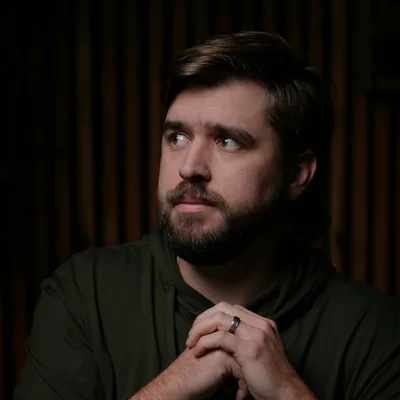
About Michael
I'm Michael, a mental health creator, recovered alcoholic, future therapist, and the host of Sober Psychology. After realizing how much of the traditional mental health conversation misses the mark, I decided to build a space dedicated to raw, unfiltered self-examination and personal healing. My approach combines psychological principles with brutal honesty and hard truths, cutting through the noise to help people navigate their own growth. No toxic positivity, no hidden shame—just real conversations about what it actually takes to heal.