Are You Wasting Money on Therapy?
💥 “Is Therapy a Scam? Let’s Get Brutally Honest…” 💥
Look — therapy can absolutely be a scam. I’m not here to blow sunshine up your ass. Some therapists are just professional listeners charging $200 an hour to nod while you vent about your ex.
A 2017 study in Psychotherapy Research found that 20% of therapists lack training in evidence-based practices — that’s 1 in 5 shrinks just winging it like a bartender mixing cocktails with no recipe. Terrifying, right?
If your therapist is giving you “follow your heart” vibes or pushing essential oils instead of proven methods, you’re not in therapy — you’re in a wellness scam. Run from anyone who can’t explain their approach in plain English.
💸 And let’s not pretend it’s cheap: Therapy costs $100–$300 per session, according to the Alliance of Mental Illness. Insurance? Barely covers it half the time. And finding a legit, in-network therapist? Good luck.
Worst of all — bad therapy can actually HURT you. A 2018 Clinical Psychology Review study showed that ineffective or unethical therapists can worsen symptoms, especially if you’re already carrying heavy trauma.
So… how do you not get screwed? ✅ Vet your therapist like you’re hiring a hitman. ✅ Ask about credentials — LPC, LCSW, PhD. ✅ Demand clear answers about their methods. ✅ If they dodge, bail. ✅ If they suck, fire them.
Your mental health deserves more than a half-baked pep talk and a massive bill.
👇 Drop a comment — ever had a therapist who was a total fraud? Let’s talk about it.
This video is for general educational purposes and is not a substitute for professional medical or mental health advice, diagnosis, or treatment. If you are in crisis or having thoughts of harming yourself, call or text 988 (Suicide & Crisis Lifeline) or go to your nearest emergency room.
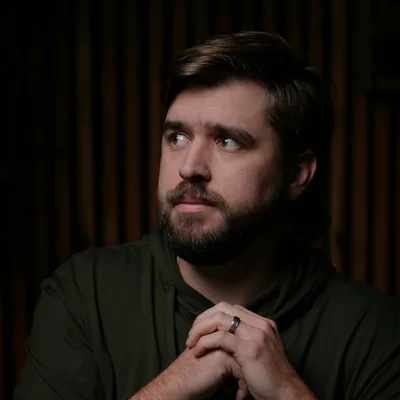
About Michael
I'm Michael, a mental health creator, recovered alcoholic, future therapist, and the host of Sober Psychology. After realizing how much of the traditional mental health conversation misses the mark, I decided to build a space dedicated to raw, unfiltered self-examination and personal healing. My approach combines psychological principles with brutal honesty and hard truths, cutting through the noise to help people navigate their own growth. No toxic positivity, no hidden shame—just real conversations about what it actually takes to heal.