Why Gen Z Uses Diagnoses as Shields
In clinical psychology and the DSM-5, a diagnosis is simply a tool used to map a path toward healing and recovery. It was never meant to be a badge of honor or a shield against personal accountability.
Lately, we've seen diagnoses transformed into permanent identity markers. Saying "I can't show up because my anxiety is flaring" or "I can't finish this project due to executive dysfunction" confuses an explanation with an excuse.
Let's apply some brutal honesty: a diagnosis may be an explanation for your behavior, but it is NEVER an excuse for a lack of character.
In recovery, we have a core saying: It’s not your fault that you’re an addict, but it IS your responsibility to get sober. It feels like an entire generation has mastered the art of assigning fault, but remains terrified of accepting responsibility. It's time to put down the shields and take your agency back.
💬 What is a diagnosis or term you frequently see people hide behind today? Drop your perspective in the comments—I read and reply to everyone!
If you appreciate unfiltered psychological breakdowns that combine clinical data, recovery truths, and real-world agency, hit that Like button and Subscribe to the channel!
This video is for general educational purposes and is not a substitute for professional medical or mental health advice, diagnosis, or treatment. If you are in crisis or having thoughts of harming yourself, call or text 988 (Suicide & Crisis Lifeline) or go to your nearest emergency room.
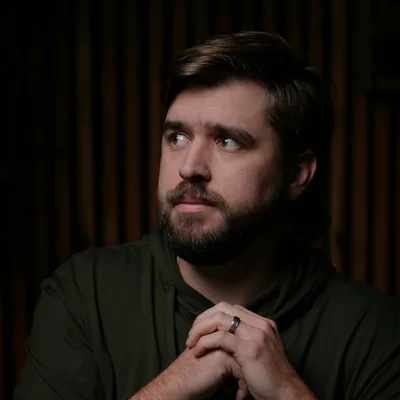
About Michael
I'm Michael, a mental health creator, recovered alcoholic, future therapist, and the host of Sober Psychology. After realizing how much of the traditional mental health conversation misses the mark, I decided to build a space dedicated to raw, unfiltered self-examination and personal healing. My approach combines psychological principles with brutal honesty and hard truths, cutting through the noise to help people navigate their own growth. No toxic positivity, no hidden shame—just real conversations about what it actually takes to heal.