Did Christianity Make Men Weaker?
⚡ “Faith was meant to build strong men—not turn them into doormats.”
Modern Christianity gets this wrong way too often. Since the 20th century, verses like “turn the other cheek” and “the meek shall inherit the earth” have been twisted into promoting emotional repression and passivity. Instead of building warriors of faith, churches often churn out men who think masculinity = sin.
But look at Jesus. He was compassionate, yes—but He was also assertive. He flipped tables. He called out hypocrisy. He stood firm. Strength and faith were never meant to be opposites.
A Medium piece unpacked how “toxic masculinity” in the church often ties manhood to stoicism—basically ignoring Jesus’ full humanity and righteous assertiveness. And psychology research backs this up: Christianity can boost well-being, but when it teaches men that strength equals sin, it reinforces suppression.
Nancy Pearcey’s The Toxic War on Masculinity goes even deeper. She argues that modern Christianity tried to reconcile the sexes but ended up losing sight of Biblical manhood as protective leadership. Not domination. Not suppression. Protective leadership.
👉 Real faith doesn’t neuter men. It sharpens them.
💬 What do you think—does Christianity today build strong men, or suppress them? Drop your take 👇
This video is for general educational purposes and is not a substitute for professional medical or mental health advice, diagnosis, or treatment. If you are in crisis or having thoughts of harming yourself, call or text 988 (Suicide & Crisis Lifeline) or go to your nearest emergency room.
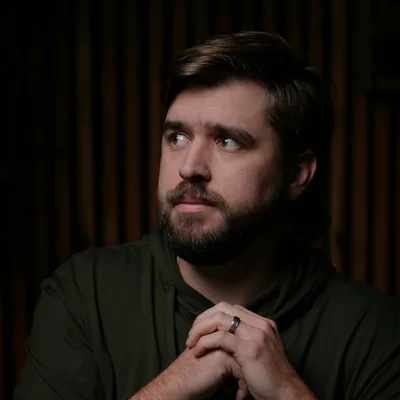
About Michael
I'm Michael, a mental health creator, recovered alcoholic, future therapist, and the host of Sober Psychology. After realizing how much of the traditional mental health conversation misses the mark, I decided to build a space dedicated to raw, unfiltered self-examination and personal healing. My approach combines psychological principles with brutal honesty and hard truths, cutting through the noise to help people navigate their own growth. No toxic positivity, no hidden shame—just real conversations about what it actually takes to heal.