Why Does Suffering Make People So Grumpy?
🔥 “When Pain Turns You Bitter — Don’t Let It!” 🔥
Here’s your psychological slap in the face for the day: Suffering can absolutely turn you into an asshole if you let it. 😬 Ever met that person so bitter they make lemons taste like sugar? Yeah — that’s what happens when you let your pain fester instead of facing it.
I’m guilty of this too — sleep-deprived, overthinking, only seeing what’s wrong with the world instead of what’s right. That’s the cost of letting suffering grow moldy inside you.
💥 Science backs this up: A 2021 study in Frontiers in Psychiatry found that unresolved suffering fuels resentment, aggression, and even physical health issues like chronic pain. Yeah — your negative thoughts can literally hurt your body. Go Google how cynicism and negativity eat away at you physically — it’ll scare you straight.
👉 You’re not just feeling the hurt — you become the hurt. Resentment rewires your brain, eats your peace, and drags your body down with it.
✨ Here’s your move: Process your pain. Don’t bottle it. Don’t weaponize it. Don’t dump it on your kids or your spouse or your buddies. Face it. Work through it. Don’t become it.
Drop a 🧹 if you’re ready to sweep out that bitterness once and for all.
This video is for general educational purposes and is not a substitute for professional medical or mental health advice, diagnosis, or treatment. If you are in crisis or having thoughts of harming yourself, call or text 988 (Suicide & Crisis Lifeline) or go to your nearest emergency room.
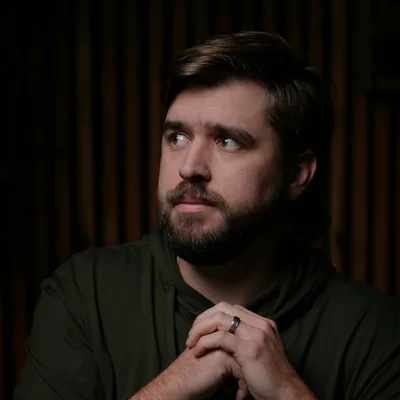
About Michael
I'm Michael, a mental health creator, recovered alcoholic, future therapist, and the host of Sober Psychology. After realizing how much of the traditional mental health conversation misses the mark, I decided to build a space dedicated to raw, unfiltered self-examination and personal healing. My approach combines psychological principles with brutal honesty and hard truths, cutting through the noise to help people navigate their own growth. No toxic positivity, no hidden shame—just real conversations about what it actually takes to heal.