Can Anger Actually Help You Succeed?
⚡ “Anger isn’t the enemy—it’s fuel.”
Here’s the thing: anger gets a bad rap. Society tells us to suppress it, bury it, pretend it doesn’t exist. But anger, when used the right way, is outrageously powerful. If it’s bottled up as resentment until you explode? That’s poison. But if it’s channeled into action—reading that extra chapter, pushing through that workout, chasing that next goal—it becomes fuel. And once you’ve accomplished the thing, the anger subsides, because it’s been used, not wasted.
Biology backs this up. Men have higher testosterone than estrogen, and testosterone literally wires our nervous system toward aggression, drive, and protection. It’s not “toxic,” it’s nature. If someone broke into your house, even the most passive person would step up to defend their child. That instinct is built-in for survival. For men, it’s just closer to the surface.
The problem isn’t anger—it’s misuse. Suppressed anger festers into toxicity. Directed anger builds strength, protection, and progress.
👉 So maybe toxic masculinity isn’t about aggression existing—it’s about aggression without aim.
💬 Question for you: How do you channel anger in a healthy way? Drop your strategies below 👇
This video is for general educational purposes and is not a substitute for professional medical or mental health advice, diagnosis, or treatment. If you are in crisis or having thoughts of harming yourself, call or text 988 (Suicide & Crisis Lifeline) or go to your nearest emergency room.
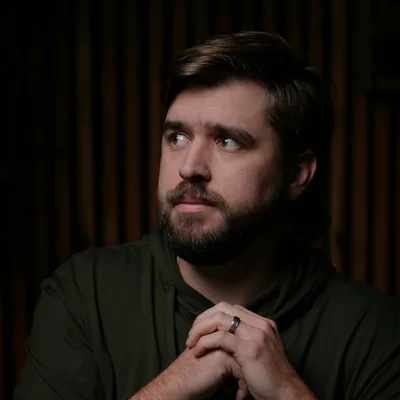
About Michael
I'm Michael, a mental health creator, recovered alcoholic, future therapist, and the host of Sober Psychology. After realizing how much of the traditional mental health conversation misses the mark, I decided to build a space dedicated to raw, unfiltered self-examination and personal healing. My approach combines psychological principles with brutal honesty and hard truths, cutting through the noise to help people navigate their own growth. No toxic positivity, no hidden shame—just real conversations about what it actually takes to heal.