Why Indecision Could Be Ruining Your Life!
🔥 Indecision Is Just Self-Sabotage with a Makeover 🔥
Stuck in neutral while life flies past you? Let’s get honest: indecision isn’t harmless — it’s self-sabotage with better PR.
Choice overload doesn't just leave you frozen in the cereal aisle. It wrecks your confidence, fuels anxiety, and tanks your satisfaction with life. A 2019 study in Frontiers in Psychology found that chronic indecision is directly tied to higher anxiety, increased depression, and lower life satisfaction. Translation? The longer you waffle, the more miserable you become.
Every time you stall, you’re making a choice — a bad one. And if you don’t pick a direction, life will do it for you... and let’s be real, life has terrible taste. I've lived it. I’ve watched it. You’re not being “careful” — you’re being avoidant. And that, my friends, is sabotage dressed in overthinking.
This video cuts deep into:
The psychology of choice paralysis
How indecision feeds anxiety
Why “waiting for clarity” is just a fancier way to quit
How to start making bold, aligned choices before life makes them for you
Raw truth. Zero fluff. Sober psychology style. Let’s go.
This video is for general educational purposes and is not a substitute for professional medical or mental health advice, diagnosis, or treatment. If you are in crisis or having thoughts of harming yourself, call or text 988 (Suicide & Crisis Lifeline) or go to your nearest emergency room.
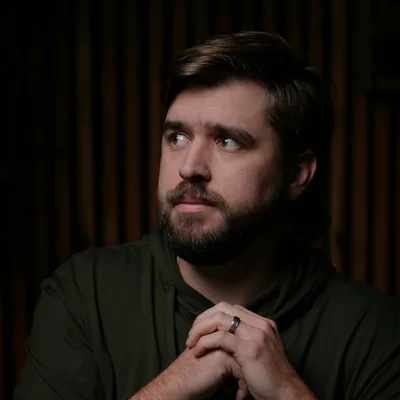
About Michael
I'm Michael, a mental health creator, recovered alcoholic, future therapist, and the host of Sober Psychology. After realizing how much of the traditional mental health conversation misses the mark, I decided to build a space dedicated to raw, unfiltered self-examination and personal healing. My approach combines psychological principles with brutal honesty and hard truths, cutting through the noise to help people navigate their own growth. No toxic positivity, no hidden shame—just real conversations about what it actually takes to heal.