Why Too Many Choices Make You Buy Less!
🔥 Too Many Choices = No Choices: The Psychology of Why You’re Stuck 🔥
There was a famous 2000 study by Sheena Iyengar (yeah, we’re all guessing that pronunciation) and Mark Lepper, published in the Journal of Personality and Social Psychology. It’s known as the Jam Study — and no, not the kind that goes on toast. 🍓
Here’s what they found: 👉 People given 24 types of jam to sample were way LESS likely to buy anything than people who were only offered 6 options. Translation? More choices = less action. Period.
This is one of the most cited studies in consumer psychology for a reason. Your brain wasn’t built for a world with 50+ streaming platforms, 12 dating apps, and 97 different oat milks. You think you’re free, but you’re actually paralyzed.
Your brain’s just cycling through a buffet of existential dread. And yeah, decision fatigue is real. A legit cognitive phenomenon. You burn out on decisions like your phone battery dies after 32 open apps.
🧠 Too many options don’t empower you — they exhaust you.
You’re not choosing between apples and oranges anymore — you’re picking between 47 flavors of stress and regret. And let’s be honest, you’ll probably just pick cereal for dinner again anyway.
This video is for general educational purposes and is not a substitute for professional medical or mental health advice, diagnosis, or treatment. If you are in crisis or having thoughts of harming yourself, call or text 988 (Suicide & Crisis Lifeline) or go to your nearest emergency room.
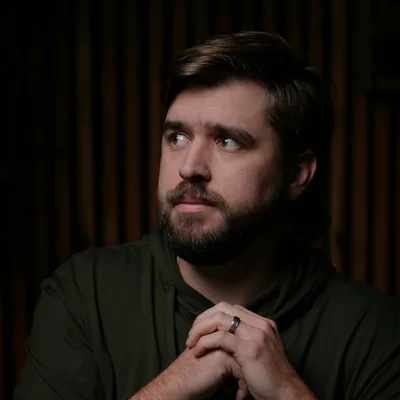
About Michael
I'm Michael, a mental health creator, recovered alcoholic, future therapist, and the host of Sober Psychology. After realizing how much of the traditional mental health conversation misses the mark, I decided to build a space dedicated to raw, unfiltered self-examination and personal healing. My approach combines psychological principles with brutal honesty and hard truths, cutting through the noise to help people navigate their own growth. No toxic positivity, no hidden shame—just real conversations about what it actually takes to heal.