How To Spot A Good Therapist Fast!
🔥 “Bad Therapy Red Flag: If They Get Defensive, RUN!” 🔥
Let’s get brutally honest for a sec — a legit therapist should NEVER get offended when you ask how they practice. If they talk in circles, dodge your questions, or backtrack every time you poke at their method, 🚩🚩🚩 pack your emotional suitcase and RUN.
A confident, competent therapist knows exactly how they approach your healing because they’ve put in the years — and the cash — to do it. They’ll say: 👉 “Hey, I’m Michael. I’m not here to coddle you. I’m here to hit you with the truth because I care about your outcome. I lean on Jungian theory, sprinkle in a bit of Freud, and I’m here to make you uncomfortable enough to grow. Let’s do this.”
That’s how it should sound. You deserve to know how your mind’s about to get rearranged before you fork over your hard-earned cash. 💸
And yeah, let’s not ignore the money piece. Therapy is expensive — so don’t waste it on someone who treats your questions like an attack on their fragile ego.
✅ If they can’t tell you what they do and why — they don’t know what they’re doing. Period.
👇 Drop a comment: Have you ever had a therapist you had to ghost because they got shady about their approach? Let’s hear it.
This video is for general educational purposes and is not a substitute for professional medical or mental health advice, diagnosis, or treatment. If you are in crisis or having thoughts of harming yourself, call or text 988 (Suicide & Crisis Lifeline) or go to your nearest emergency room.
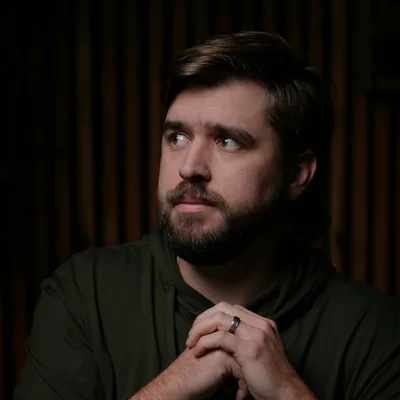
About Michael
I'm Michael, a mental health creator, recovered alcoholic, future therapist, and the host of Sober Psychology. After realizing how much of the traditional mental health conversation misses the mark, I decided to build a space dedicated to raw, unfiltered self-examination and personal healing. My approach combines psychological principles with brutal honesty and hard truths, cutting through the noise to help people navigate their own growth. No toxic positivity, no hidden shame—just real conversations about what it actually takes to heal.