Are Your Friends Just Using You?
😬 The Ugly Truth About Your Friendships (Don’t Skip This) Let’s rip the Band-Aid off: Most of your friendships? They’re built on convenience, not connection. And yeah — I’ve had to face that one head-on since moving out here to Midland, Texas (yep, I said it — pull up 👀).
You’re “friends” with Dave ‘cause he’s got a couch to crash on. You keep Sarah around ‘cause she’s got that sweet Costco card hookup. Cool perks. Trash foundation. That’s not friendship — that’s a transaction.
Here’s the kicker: 🧠 We’re wired to find people who meet our needs. But somewhere along the way… we got lazy.
According to a 2018 study in the Journal of Social and Personal Relationships, ➡️ 75% of people are dissatisfied with their friendships. You read that right. Three out of four.
Why? Because we’re settling for shallow nonsense. We text “you good?” once a month and call it a bond. We don’t check in. We don’t invest. And most of us don’t even know what true connection feels like.
This isn’t just about them being flaky. 👈 It’s about you too. If you want deeper friendships, you’ve got to show up like someone who deserves them.
✅ Ask better questions ✅ Make actual time ✅ Drop the mask and get real
This episode? It’s not about blame — it’s about breakthrough.
👇 Comment below: What’s ONE shallow friendship you’re ready to let go of?
🔥 Like, subscribe, and share if you’re done settling for surface-level.
This video is for general educational purposes and is not a substitute for professional medical or mental health advice, diagnosis, or treatment. If you are in crisis or having thoughts of harming yourself, call or text 988 (Suicide & Crisis Lifeline) or go to your nearest emergency room.
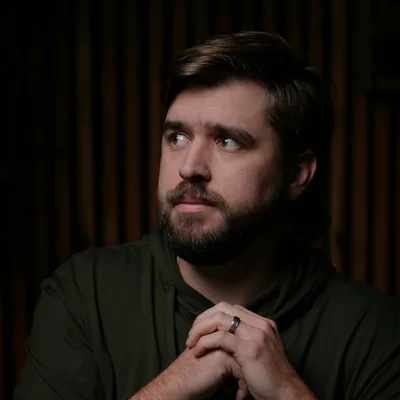
About Michael
I'm Michael, a mental health creator, recovered alcoholic, future therapist, and the host of Sober Psychology. After realizing how much of the traditional mental health conversation misses the mark, I decided to build a space dedicated to raw, unfiltered self-examination and personal healing. My approach combines psychological principles with brutal honesty and hard truths, cutting through the noise to help people navigate their own growth. No toxic positivity, no hidden shame—just real conversations about what it actually takes to heal.