Why Do We Hold On To Pain?
💥 “Stop Feeding the Monster — Why We Cling to Suffering”
Listen up, Sober Psychology fam — let’s talk about the uncomfortable truth nobody likes to admit: sometimes your suffering feels comfortable. Yeah, I said it. Some of you were raised in chaos — confusion, pain, betrayal — and that chaos became home. So you cling to the hurt like it’s a damn security blanket. You feed that monster inside you every day.
You become the pain. You wear it like armor. It gives you an excuse to stay stuck, to lash out, to not grow. But here’s the gut-punch truth: holding onto that suffering is poisoning you.
I’m not saying you snap your fingers and it vanishes — I’m saying you learn to face it in a healthy way. Journal it out. Talk it out. Pray it out. Scream into a pillow if you have to. Give that pain some air to breathe — because suffocating it just lets it rot inside you.
And here’s what nobody wants to believe when you’re in the pit: Whatever feels like it’s gonna kill you today? It’ll be microscopic a year from now. Not because “time heals all wounds” (cliché, but kinda true). But because time gives you perspective. And perspective gives you power.
You don’t have to become the suffering. Let it teach you. Let it sharpen you. Then let it go.
👇 Drop a comment: What monster are you done feeding this year?
This video is for general educational purposes and is not a substitute for professional medical or mental health advice, diagnosis, or treatment. If you are in crisis or having thoughts of harming yourself, call or text 988 (Suicide & Crisis Lifeline) or go to your nearest emergency room.
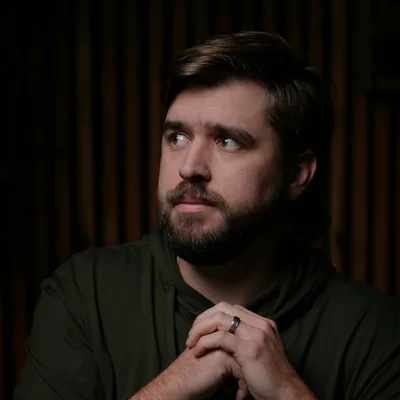
About Michael
I'm Michael, a mental health creator, recovered alcoholic, future therapist, and the host of Sober Psychology. After realizing how much of the traditional mental health conversation misses the mark, I decided to build a space dedicated to raw, unfiltered self-examination and personal healing. My approach combines psychological principles with brutal honesty and hard truths, cutting through the noise to help people navigate their own growth. No toxic positivity, no hidden shame—just real conversations about what it actually takes to heal.