Is Suffering Just Part of Being Human?
🔥 “You Suffer Because You’re Alive — Not Because the Universe Hates You”
Alright, Sober Psychology fam — let’s hit this with the cold, liberating truth: Suffering is not optional.
It’s not like a Netflix subscription you can cancel. From the moment you take your first breath, life’s throwing you uppercuts — hunger, heartbreak, and yeah… that time you trusted a fart in a job interview. (Never again, right?)
The Buddha had it nailed: “Life is suffering.” But don’t roll your eyes yet — this isn’t all gloom and doom. Science backs it up too: A 2019 study in Psychological Review found that pain and fear are evolutionary tools — they’re wired in to keep you alive. Your ancestors dodged saber-toothed tigers with this wiring. You? You’re dodging your own bad decisions and coping mechanisms.
So let’s get real — You don’t suffer because the universe hates you. You suffer because you’re alive. So stop treating your pain like some personal vendetta. That layoff? That breakup? That Tinder ghost? It’s not cosmic cruelty. It’s just… life doing its thing.
Your job? Use it. Use that pain. Learn from it. Let it sharpen you, not sink you.
👇 Sound off in the comments: What’s life teaching you through your suffering right now? And if you don’t know yet — keep showing up. That lesson’s on the way.
This video is for general educational purposes and is not a substitute for professional medical or mental health advice, diagnosis, or treatment. If you are in crisis or having thoughts of harming yourself, call or text 988 (Suicide & Crisis Lifeline) or go to your nearest emergency room.
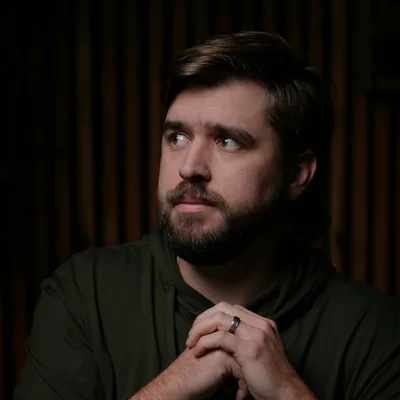
About Michael
I'm Michael, a mental health creator, recovered alcoholic, future therapist, and the host of Sober Psychology. After realizing how much of the traditional mental health conversation misses the mark, I decided to build a space dedicated to raw, unfiltered self-examination and personal healing. My approach combines psychological principles with brutal honesty and hard truths, cutting through the noise to help people navigate their own growth. No toxic positivity, no hidden shame—just real conversations about what it actually takes to heal.