How I Turn Tough Research Into Fun Videos!
🔥 The Hard Truth: You Need an Outlet — And a Tribe
Alright, Sober Psychology fam — real talk. This right here? This channel? This is my outlet. It’s me creating. It’s me doing something with my pain and experience so it doesn’t rot inside me like a festering wound.
👉 Do you know how much work it takes to pull these episodes together? The research, the peer-reviewed articles — (btw, if you’ve ever actually read peer-reviewed articles, you know they’re not exactly beach reads. I like ‘em because, well, I’m a bit twisted in the head — but that’s another episode). This is a labor of love. I’d do all of this, every ounce of it, just for the hope that maybe one person — out of twenty or out of two thousand — will hear this and decide to stick around for one more day. You don’t have to tell me. You don’t have to thank me. But knowing it lands with someone? That’s purpose. That’s fuel for me.
Step 3: Build a Support System. Write it down. Tattoo it on your forehead. Suffering solo is rookie-level stuff. A 2021 study in Social Science & Medicine found that real social support actually buffers the impact of stress. Translation: Talking to a friend, a sponsor, a therapist — hell, even your dog — is healthier than bottling it up until you implode.
So don’t do this alone. Your demons want you isolated. Don’t give them what they want.
👇 Sound off in the comments: Who’s your lifeline? Who’s in your corner when it gets dark?
This video is for general educational purposes and is not a substitute for professional medical or mental health advice, diagnosis, or treatment. If you are in crisis or having thoughts of harming yourself, call or text 988 (Suicide & Crisis Lifeline) or go to your nearest emergency room.
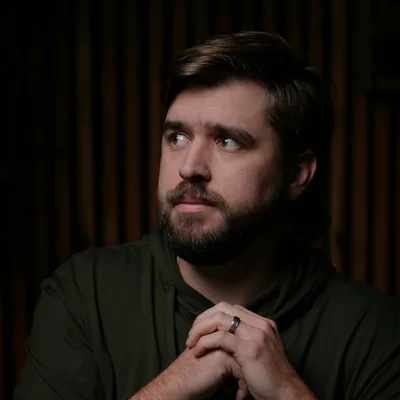
About Michael
I'm Michael, a mental health creator, recovered alcoholic, future therapist, and the host of Sober Psychology. After realizing how much of the traditional mental health conversation misses the mark, I decided to build a space dedicated to raw, unfiltered self-examination and personal healing. My approach combines psychological principles with brutal honesty and hard truths, cutting through the noise to help people navigate their own growth. No toxic positivity, no hidden shame—just real conversations about what it actually takes to heal.