Why Does Life Feel So Hard Sometimes?
🔥 “Suffering: Your Greatest Teacher — Not Just a Cosmic Middle Finger”
Alright Sober Psychology fam — buckle up. I’m Michael — psychologist in training, sober dad, and a guy who’s wrestled enough demons to start my own WWE league.
Today we’re going headfirst into the thing you’re probably drowning in: suffering. That soul-crushing, gut-punching mess that makes you feel like life is just one long “screw you” from the universe.
Let’s cut the sugarcoating: You’re probably suffering right now. Maybe it’s your dead-end job. Maybe it’s your empty fridge. Maybe it’s your ex living their best life while you’re crying into a $5 bottle of bottom-shelf wine.
Here’s the truth bomb: Suffering isn’t just a bad day — it’s a human condition. And most of you? You’re handling it like a toddler in a mosh pit — flailing, screaming, and falling over yourself.
But you don’t have to. I’m here to break down: ✔️ Why we suffer (hint: it’s not because the universe hates you) ✔️ What psychology says about turning pain into power ✔️ How to stop letting suffering turn you into a whiny victim
This ain’t group therapy with hugs and tissues. This is tough love with a side of dark humor to keep you awake. Stick around — by the end, you’ll see why suffering isn’t your enemy. It’s your greatest damn teacher.
👇 Drop a comment: What’s the one thing your suffering has taught you — or what do you hope it will?
This video is for general educational purposes and is not a substitute for professional medical or mental health advice, diagnosis, or treatment. If you are in crisis or having thoughts of harming yourself, call or text 988 (Suicide & Crisis Lifeline) or go to your nearest emergency room.
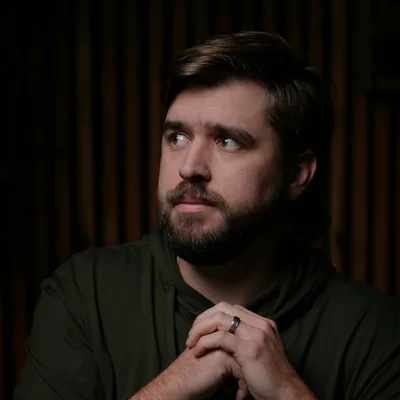
About Michael
I'm Michael, a mental health creator, recovered alcoholic, future therapist, and the host of Sober Psychology. After realizing how much of the traditional mental health conversation misses the mark, I decided to build a space dedicated to raw, unfiltered self-examination and personal healing. My approach combines psychological principles with brutal honesty and hard truths, cutting through the noise to help people navigate their own growth. No toxic positivity, no hidden shame—just real conversations about what it actually takes to heal.