The One Thing That Makes Apologies Actually Stick
🎯 “Sorry” Is the Intent — Amends Are the Action
Let’s clear this up once and for all: A real apology means nothing without change. “Sorry” is just you saying, “I don’t want to screw up again.” But an amends is you saying, “I will clean up my side of the street — here’s how.” Big difference.
✅ Intent without action = empty words ✅ Action without intent = performative BS You need both. That’s how trust gets rebuilt — not overnight, but step by step.
Step 2: Set clear goals. Vague promises like “I’ll be better” are about as useful as a paper towel in a hurricane. 🌀
Use the SMART Goals system: 📌 Specific 📏 Measurable ✅ Achievable 🎯 Relevant ⏰ Time-bound
It’s simple: stop saying “I’ll do better,” and get real. “I’ll reply to texts within an hour this week.” “I’ll hit 2 therapy sessions this month.” “I’ll do my nightly inventory every day for 30 days.”
🔬 There’s a 2019 study in Psychology Bulletin that shows goal-setting doubles your accountability AND your progress. It’s the two-for-one special your excuses can’t handle.
👊 Drop a comment: What’s one SMART goal you’re setting to back up your “Sorry” this week?
This video is for general educational purposes and is not a substitute for professional medical or mental health advice, diagnosis, or treatment. If you are in crisis or having thoughts of harming yourself, call or text 988 (Suicide & Crisis Lifeline) or go to your nearest emergency room.
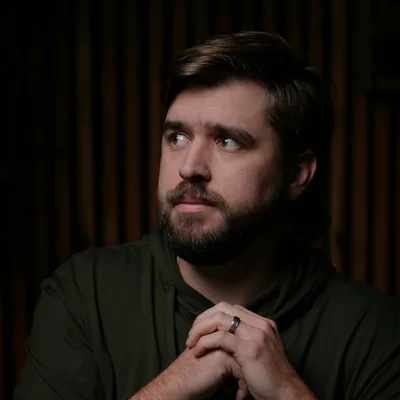
About Michael
I'm Michael, a mental health creator, recovered alcoholic, future therapist, and the host of Sober Psychology. After realizing how much of the traditional mental health conversation misses the mark, I decided to build a space dedicated to raw, unfiltered self-examination and personal healing. My approach combines psychological principles with brutal honesty and hard truths, cutting through the noise to help people navigate their own growth. No toxic positivity, no hidden shame—just real conversations about what it actually takes to heal.