How to Tell If You're the Problem in Your Friend Group
🚨 Harsh Truth Incoming: You Might Be the Problem Welcome back to the hot seat. Yeah, you. Let’s talk about the real reason your friendships suck:
You keep inviting that guy who only shows up when there’s free food. You keep texting people who ghost you every time they get a new love interest. Cut them loose. That’s okay.
But now let’s flip the mirror— 👀 You might be a crappy friend too. You’re not listening. You’re just waiting to talk. You’re the friend who turns every convo into a competition of who’s suffering more.
💡 There’s a 2019 study from the American Psychological Association that showed active listening — actually hearing someone instead of planning your next TikTok — boosts trust and connection. Not rocket science, right?
But here you are, texting during your friend’s breakup story like you’re the main character in their pain. Friendship is a two-way street — and you’re driving drunk.
Now, let’s get into the second part: What actually makes a friendship worth keeping? We’re diving into the psychology of real friendship next — not just “vibes” and inside jokes, but the actual framework that science says makes bonds last.
So if you’re tired of feeling lonely in a crowded room or wondering why your “besties” don’t feel like besties — buckle up. We’re about to get real.
This video is for general educational purposes and is not a substitute for professional medical or mental health advice, diagnosis, or treatment. If you are in crisis or having thoughts of harming yourself, call or text 988 (Suicide & Crisis Lifeline) or go to your nearest emergency room.
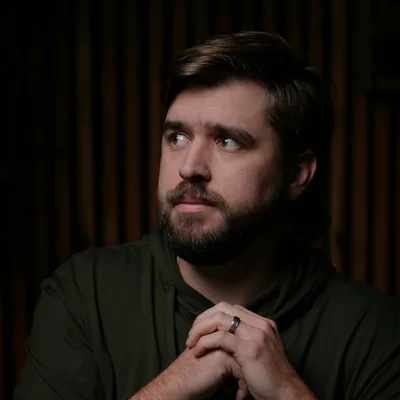
About Michael
I'm Michael, a mental health creator, recovered alcoholic, future therapist, and the host of Sober Psychology. After realizing how much of the traditional mental health conversation misses the mark, I decided to build a space dedicated to raw, unfiltered self-examination and personal healing. My approach combines psychological principles with brutal honesty and hard truths, cutting through the noise to help people navigate their own growth. No toxic positivity, no hidden shame—just real conversations about what it actually takes to heal.